是蕎麥查梅茲嗎? - 中國北方馬鈴薯生產專家
不, 蕎麥 is not chametz.
This might come as a surprise to some, 尤其是逾越節期間 (逾越節), 當食品限制引發許多問題時. 蕎麥, 儘管它的名字, 不是小麥的一種, 因此不屬於 chametz 的範疇. But what exactly is chametz? And how does buckwheat compare to chametz grains in terms of use, 營養, and tradition?
讓我們來探索一下.
What is Chametz?
In Jewish tradition, chametz refers to leavened products made from five specific grains that have come into contact with water and have been allowed to ferment (rise). According to the Talmud (Pesachim 35a), the five grains that can become chametz are:
| Chametz Grains | Notes |
|---|---|
| 小麥 | Most common in bread and baked goods |
| 大麥 | Used in beer and porridge |
| 斯佩爾特 | An ancient grain, related to wheat |
| 黑麥 | Often in rye bread |
| 燕麥 | Subject to debate; often used in matzah for gluten-free needs |
If any of these grains are mixed with water and left to stand for more than 18 minutes before baking, they are considered chametz and forbidden during Passover.
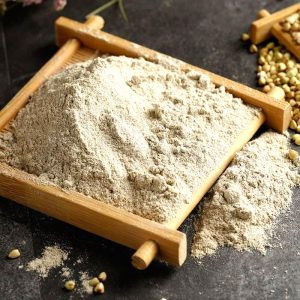
Why Buckwheat Is Not Chametz
Despite its misleading name, buckwheat is not related to wheat or any grain family botanically. Buckwheat is a pseudocereal, meaning it’s a seed from a flowering plant (蕎麥) that behaves like a grain.
Key points:
| Characteristic | 蕎麥 |
|---|---|
| Botanical family | Polygonaceae (not Poaceae) |
| Leavening potential | Cannot become chametz |
| Passover status | Permitted (for Ashkenazim, not consumed; for Sephardim, often allowed)* |
| Gluten content | Naturally gluten-free |
*筆記: Many Ashkenazi Jews treat buckwheat as kitniyot (legume-like foods prohibited by custom, not law, during Passover), but Sephardic Jews often allow it.
How Is Buckwheat Commonly Eaten?
Buckwheat is widely consumed around the world in various forms:
Groats (Kasha) – Roasted whole buckwheat, common in Eastern European dishes.
麵粉 – Used for gluten-free pancakes, 粉麵 (like Japanese soba), 或烘焙食品.
Noodles – Soba (日本), often made with a mix of wheat and buckwheat flour.
➤ Are any of these chametz?
Only if wheat is mixed in, such as in many soba noodles (check the label). Pure buckwheat products without chametz grains are not chametz.
Buckwheat vs Chametz Grains – A Full Comparison
| 特徵 | 蕎麥 | Chametz Grains (小麥, 大麥, ETC。) |
|---|---|---|
| Botanical Family | Polygonaceae (seed) | Poaceae (true grains) |
| Chametz Status | ❌ Not Chametz | ✅ Can become Chametz |
| 麩質含量 | ❌ Gluten-Free | ✅ Contains Gluten (except oats) |
| Passover Use | Allowed for Sephardim, avoided by Ashkenazim | Forbidden |
| Glycemic Index | 49 (low) | 小麥: ~71, 大麥: ~53 (higher) |
| 蛋白質含量 | ~13g per 100g | 小麥: ~12g, 大麥: ~10g |
| 烹飪方法 | Boiled, roasted, ground | Baked, 發酵的, leavened |
| Symbolic Use (Judaism) | Rare | Central in bread, challah, matzah |
🧾 Nutritional Source: 美國農業部食品資料中心 (2023)
Related FAQs
Q1: Why is it called buckwheat if it’s not wheat?
一個: The name comes from the shape of the seed, which resembles the beech nut (“buck”) and its similar culinary use to wheat.
Q2: Can buckwheat be used during Passover?
一個: 為了 Sephardic Jews – yes. 為了 Ashkenazi Jews – traditionally avoided as kitniyot, not chametz.
Q3: Are soba noodles kosher for Passover?
一個: Only if made from 100% 蕎麥 和 certified kosher for Passover. Most commercial soba includes wheat.
Q4: Is buckwheat gluten-free?
一個: 是的, it is naturally gluten-free, making it suitable for people with celiac disease.
Q5: Is kasha the same as buckwheat?
一個: Kasha is roasted buckwheat groats, a popular dish in Eastern European Jewish cuisine.
最後的想法
Buckwheat is nutritionally rich, 不含麩質, and not chametz—making it an excellent choice for health-conscious eaters year-round and potentially a Passover option, depending on custom. Understanding the religious, cultural, and nutritional distinctions between chametz grains and buckwheat can help in making informed dietary choices, especially during Jewish holidays.
For large-scale buyers, food manufacturers, or exporters seeking non-chametz, gluten-free alternatives, buckwheat is a smart ingredient. Contact us to learn more about bulk supply, specification sheets, and kosher certifications.
參考
美國農業部食品資料中心. (2023). https://fdc.nal.usda.gov
OU Kosher. What Are Kitniyot? https://oukosher.org
Pesachim 35a, Babylonian Talmud (Translated)
“The Science of Chametz,” My Jewish Learning. https://www.myjewishlearning.com