

ถั่วกว้างเทียบกับถั่วไต. They are common legumes in our daily lives. The major suppliers of these beans worldwide are mainly located in countries such as Australia, France, the UK, Ethiopia, Canada, Mexico, and Argentina. ในประเทศจีน, regions like Jiangsu, อันฮุย, and Hubei provide a stable supply of broad beans. นอกจากนี้, areas with higher altitudes, such as Gansu and Qinghai, are also major producers of broad beans. On the other hand, เหอเป่ย, Shanxi, มองโกเลียใน, จิลิน, and Heilongjiang are the main regions for kidney bean production. Notably, China is the world’s third-largest producer of kidney beans.
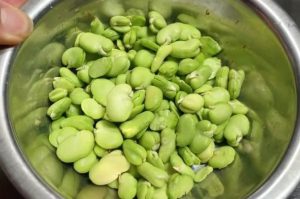
What are the major production areas for broad beans and kidney beans, both globally and in China?
The main production areas for broad beans and kidney beans are as follows:
- Broad Beans: Broad beans originated in Southwest Asia and North Africa. วันนี้, they are cultivated and distributed worldwide, primarily in Europe, Asia, and Africa. China is the largest producer of broad beans globally.
- ถั่วไต: Originally from Central and South America, kidney beans later spread to Europe and Asia, becoming a global crop. Major producing countries include China, the United States, อาร์เจนตินา, Mexico, the UK, ญี่ปุ่น, India, and Brazil. ในประเทศจีน, kidney beans are widely grown across various regions.
Now, let’s look at their main production areas within China:
- Broad Beans: Primarily grown in the southwest, the Yangtze River basin, and the northwest regions, including Yunnan, Sichuan, Chongqing, Hubei, กานซู, and Qinghai.
- ถั่วไต: Primarily distributed in the northeast, north, northwest, and southwest regions, such as Heilongjiang, จิลิน, มองโกเลียใน, เหอเป่ย, Shanxi, Shaanxi, กานซู, ซินเจียง, Sichuan, Guizhou, and Yunnan.
These regions have suitable climates and soil conditions, making them the major production areas for broad beans and kidney beans.
What are the planting methods for broad beans and kidney beans?
After understanding their production areas, let’s learn about their planting methods.
Broad Beans:
- Soil Selection: เลือกหลวม, อุดมสมบูรณ์, และดินที่ระบายน้ำได้ดี.
- การบำบัดเมล็ดพันธุ์: Soak the seeds for 12 ถึง 24 hours before sowing to improve germination rates.
- Sowing Method: Direct sowing or transplanting. Direct sowing involves scattering seeds directly in the field, while transplanting involves growing seedlings in nursery boxes and then transplanting them into the field.
- Management Practices: Keep the soil moist, weed in time, apply sufficient base fertilizer, provide timely top-dressing, and control pests and diseases.
ถั่วไต:
- Soil Selection: Fertile soil with good aeration and deep soil layers, with convenient irrigation and drainage.
- การบำบัดเมล็ดพันธุ์: Select large, อวบอ้วน, uniform seeds with consistent luster, free of pests and damage. Dry and soak the seeds before planting, followed by chemical treatment.
- Sowing Method: Either monocropping or intercropping. Monocropping requires ridging, with appropriate row and plant spacing. Intercropping involves planting alongside other crops, and adjusting planting density according to the characteristics of the companion crop.
- Management Practices: Keep the soil moist, weed, and ridge in time, stake the plants, plant at an appropriate density, apply timely top-dressing, and control pests and diseases.
What are their respective yields?
- Broad Beans: Under normal planting conditions, the yield of fresh broad beans is generally around 150 ถึง 200 กิโลกรัมต่อมู (ประมาณ 0.067 เฮกตาร์), with high-yield instances reaching up to 280 กิโลกรัมต่อมู. ตัวอย่างเช่น, in Qujing City, high-yield demonstration plots can average between 250 และ 290 กิโลกรัมต่อมู.
- ถั่วไต: When grown in sunny, warm environments, the yield can reach approximately 2,650 กิโลกรัมต่อมู. In Zhi Jin County’s high-yield demonstration base, the average yield ranges from 133.42 ถึง 148.65 กิโลกรัมต่อมู, with the highest recorded yield at 163.97 กิโลกรัม.
Which is more nutritious?
To determine which bean is more nutritious, let’s look at their specific nutritional components.
Broad Beans:
- Vitamins: Rich in various vitamins, including vitamins A, K, C, E, B1 (thiamine), บี2 (ไรโบฟลาวิน), and niacin. The vitamin C content is particularly high, with about 16 ถึง 30 มก. ต่อ 100 grams of broad beans.
- แร่ธาตุ: High in calcium, ฟอสฟอรัส, โพแทสเซียม, sodium, แมกนีเซียม, เหล็ก, สังกะสี, selenium, ทองแดง, and manganese. Phosphorus and potassium levels are notably high, with approximately 200 mg of phosphorus and 391 ถึง 801 mg of potassium per 100 กรัม.
- อ้วน: Relatively low fat content, with about 1.00 ถึง 1.6 grams per 100 กรัม.
- ใยอาหาร: Contains a good amount of dietary fiber, aiding in intestinal health, with about 1.9 ถึง 3.1 grams per 100 กรัม.
- Sugars: Higher sugar content, typically around 61.5 grams per 100 กรัม, primarily in the form of carbohydrates (58.9 ถึง 59.8 grams per 100 กรัม).
ถั่วไต:
- Vitamins: Rich in vitamins, especially B vitamins and vitamin C, which is about 9 มก. ต่อ 100 กรัม. It also contains vitamins A, E, B1, บี2, and niacin.
- แร่ธาตุ: Contains significant amounts of minerals, particularly calcium, เหล็ก, และฟอสฟอรัส. Calcium content ranges from 88 ถึง 349 มก. ต่อ 100 กรัม, phosphorus from 37 ถึง 400 มก, and iron from 1 ถึง 2.8 มก. Also contains zinc and magnesium.
- อ้วน: Low fat content, ประมาณ 0.56 ถึง 1.4 grams per 100 กรัม.
- ใยอาหาร: High in dietary fiber, promoting gastrointestinal health, with about 7.4 grams per 100 กรัม.
- Sugars: Moderate sugar content, primarily in carbohydrate form, รอบๆ 22 ถึง 57.4 grams per 100 กรัม, with lower sugar levels of about 0.3 ถึง 6.4 กรัม (depending on variety and ripeness).
Both beans have distinct nutritional advantages, making it difficult to declare one as definitively better than the other; it largely depends on individual dietary needs.
ตัวอย่างเช่น, kidney beans are known for aiding digestion, weight loss, blood enrichment, spleen health, lowering blood sugar, and protecting blood vessels. Broad beans benefit brain and nerve health, enhancing memory and cognitive function. นอกจากนี้, broad beans are low in calories, and suitable for individuals with high cholesterol or hypertension. They also have effects on energy boosting, spleen health, and reducing edema.
Ultimately, the choice between kidney beans and broad beans can be based on personal nutritional needs and health conditions.
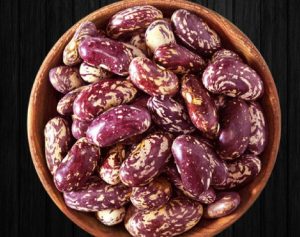
What are the varieties of kidney beans?
Kidney beans come in many varieties. Here are some of the notable types:
| ความหลากหลาย | สี | Texture | รสชาติ |
|---|---|---|---|
| White Kidney Bean | Usually white or light yellow | Delicate | Sweet and crunchy, tender |
| Red Kidney Bean | Red or purple-red | Plump | Delicious with a chewy texture |
| Milk Flower Kidney Bean | Typically milky white or light yellow with milk flower spots | Firm | Sweet with a unique milk flower flavor |
| Small Black Kidney Bean | Black or dark purple | Hard | Delicious with a certain toughness |
| Large White Kidney Bean | White or light yellow, larger than white kidney beans | Soft and plump | Sweet and suitable for various dishes |
What are the characteristics of traditional cooking in China and abroad?
Let’s explore the culinary characteristics of fava beans and kidney beans in China, India, and Italy:
| ความหลากหลาย | Country | Cooking Characteristics |
|---|---|---|
| Fava Beans | จีน | Fava beans are cooked in various ways, including stir-frying, เดือด, นึ่ง, roasting, และการทอด. Popular dishes include scallion oil fava beans, five-spice fava beans, fava beans stir-fried with shredded meat, and fava beans stir-fried with shrimp. The spring delicacy “scallion oil fava beans” exudes a unique fragrance of spring. |
| Fava Beans | India | In Indian cooking, fava beans are often combined with various spices and seasonings, imparting a rich Indian flavor to the beans. |
| Fava Beans | Italy | Italians enjoy eating fava beans raw after shelling them. They also make a fava bean and garlic pesto (Pesto Di Fave) to pair with bread or turn the beans into a puree served with pasta. นอกจากนี้, they may cook fava beans in broth with quality cured meats, parsley, and mint for seasoning. |
| ถั่วไต | จีน | In southern China, kidney beans are often incorporated into light vegetarian dishes, such as cold tossed kidney beans or stir-fried kidney beans, emphasizing the beans’ crisp texture. In northern China, kidney beans are more commonly used in hearty dishes, reflecting the northern preference for robust flavors. |
| ถั่วไต | India | Kidney beans are a primary ingredient in dishes like Dal Makhani (buttery lentils), which are made with black lentils and red kidney beans cooked with cream or yogurt, making it a popular North Indian dish. Rajma, a stew made with red kidney beans and various spices, is often served during celebrations and special occasions. |
| ถั่วไต | Italy | White kidney beans are often the main ingredient in hearty vegetable soups, simmered with salted pork and cheese for a rich and aromatic broth. |
How to Choose the Best Fava Beans and Kidney Beans?
Having gained a comprehensive understanding of fava beans and kidney beans, I would like to share how we should select the best fava beans and kidney beans. We can choose based on their color, shape, and texture.
Fava Beans:
- สี: Fava beans should be a bright green color, with the brighter, the better. If the fava beans come with pods, the pod skin and the sides should also be green. At the same time, avoid purchasing artificially dyed fava beans; you can blow gently on the fava beans and lightly squeeze them to see if the color comes off.
- Shape: Fava beans should be flat and round; choose full and round fava beans, as these are fresher and have better taste. Avoid selecting shriveled or incomplete fava beans.
- Texture: Good fava beans should be hard and not easily squished. If the fava beans feel soft when squeezed, it indicates they are no longer fresh or of poor quality, which will negatively affect their taste.
ถั่วไต:
- สี: High-quality kidney beans are usually bright and uniform in color; for instance, white kidney beans should be pure white, and red kidney beans should be bright red. Avoid choosing kidney beans that are dull in color or have spots. The surface of kidney beans should have a certain natural luster, indicating that they are fresh and well-preserved. If the surface of the kidney beans is dull, it may indicate they have been stored for a while.
- Shape: High-quality kidney beans should be plump and rounded without obvious dents or deformities. Such kidney beans are more likely to maintain their integrity when cooked, resulting in better taste. Choosing evenly sized kidney beans ensures uniform cooking, avoiding cases where some kidney beans are overcooked while others are undercooked.
- Texture: Gently squeeze the kidney beans; if they feel firm and are not easily crushed, it indicates they are fresh and of good quality. If the kidney beans feel soft or have a hollow sensation, it may indicate they have deteriorated or been stored for too long. While it is not possible to directly assess the cooking taste through appearance, generally, high-quality kidney beans will retain a certain chewiness and delicious flavor after cooking. If the kidney beans become overly mushy or taste poor after cooking, it may suggest poor quality or improper cooking methods.
โดยสรุป, by carefully observing the color and shape of the kidney beans and gently squeezing them to feel their texture, you can select high-quality fava beans and kidney beans.
What Are the Prices of Fava Beans and Kidney Beans?
The raw material prices for fava beans and kidney beans are as follows:
- Fava Beans: There are price differences based on different regions and markets. In Fujian and Yunnan, the wholesale price is about 8 yuan per kilogram; at Beijing’s Dayang Road Agricultural and Sideline Products Wholesale Market, the price is about 11-12 yuan per kilogram; in Wuhan’s Baishazhou Agricultural and Sideline Products Market, the price is about 10 yuan per kilogram.
- ถั่วไต: The recent price is 15.5 yuan per kilogram.
How to Store Fava Beans and Kidney Beans?
Let’s discuss how to store fava beans and kidney beans from four aspects: temperature, humidity, environment, และบรรจุภัณฑ์.
- Temperature: The storage temperature for fava beans is generally kept between 5℃ and 10℃; for kidney beans, the storage temperature should be between 5℃ and 8℃.
- Humidity: The storage humidity for fava beans should be controlled between 10% และ 35%, with an average humidity of 15%-20% being optimal; the relative humidity for kidney beans should be 65%-75%.
- Environment: Both fava beans and kidney beans should be stored in a cool, dark, dry, and well-ventilated place, with effective measures to prevent moisture, insects, and rodents. Fava beans should be kept out of direct sunlight to reduce oxidation and discoloration, while kidney beans should be kept away from toxic, harmful, or damp items during storage.
- บรรจุภัณฑ์: When storing fava beans and kidney beans, they can be packaged in plastic bags or vacuum bags to enhance sealing and prevent moisture and damage. The packaging should ensure that the fava beans and kidney beans are completely dry.
นอกจากนี้, regularly check the stored fava beans and kidney beans, and promptly remove any moldy or spoiled beans to ensure effective storage.