
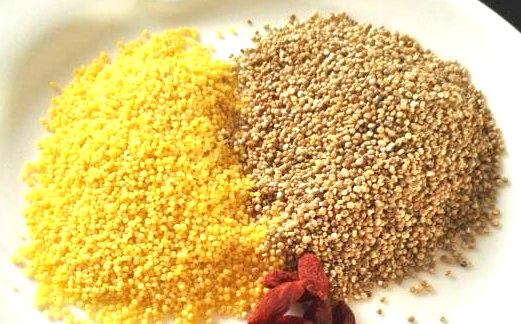
Les céréales anciennes sont devenues un aliment de base pour les consommateurs soucieux de leur santé. Vous avez peut-être rencontré des questions telles que, "c'est du quinoa et commande le même?» Dans cet article, nous décomposons les deux céréales en détail, de leurs origines et variétés jusqu'à leurs profils nutritionnels, méthodes de cuisson, et bienfaits pour la santé. Let’s explore what sets these two apart and how each can fit into your diet.
1. What Is Quinoa?
Quinoa (Chénopodium quinoa) is often called a “pseudo-cereal” because it’s not a true grain but is used similarly. Here are the key specifications:
Origine & History:
- Native Region: Amérique du Sud (Andes region: Pérou, Bolivie, Ecuador)
- Historical Significance: Revered by the Incas as the “mother grain” and used in ceremonial dishes.
Variétés:
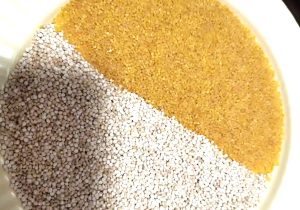
- White Quinoa: Most common; tender and mild-flavored.
- Red Quinoa: Has a slightly chewier texture; ideal for salads and cold dishes.
- Black Quinoa: Darker color with a stronger, earthier taste; requires longer cooking.
Growing Conditions & Rendement:
- Climate: Thrives in high-altitude, cool, and dry conditions.
- Soil: Adapts well to poor soils with minimal inputs.
- Rendement: Approximately 1–2 tons per hectare, although yields vary with cultivation practices.
Utilisations & Méthodes de cuisson:
- Rinsing: Must be rinsed thoroughly to remove natural saponins (bitterness).
- Cuisson: Use a water-to-quinoa ratio of 2:1; boil for 15–20 minutes.
- Applications: Ideal in salads, as a rice substitute, in porridges, or even baked into snacks.
Popular Regions:
- Gaining popularity in North America, Europe, and parts of Asia due to its nutritional benefits.
2. What Is Korralu?
Korralu is a term used in some regions to describe a type of millet or small grain. Although less globally recognized than quinoa, it has its own set of unique features:
Origine & History:
- Native Region: Primarily grown in parts of Asia (notably India and Southeast Asia) and in some African regions.
- Historical Use: Traditional staple in rural diets, used for both daily meals and festive occasions.
Variétés:
- Standard Korralu: Often characterized by small, golden grains used as a main cereal.
- Improved/Drought-Resistant Varieties: Developed through local breeding programs to enhance yield in arid and semi-arid climates.
Growing Conditions & Rendement:
- Climate: Prefers warm, dry environments and is highly drought-tolerant.
- Rendement: Typically around 0.8–1.5 tons per hectare, depending on local conditions and farming practices.
Utilisations & Méthodes de cuisson:
- Direct Cooking: Can be cooked similarly to rice or millet.
- Milling: Often ground into flour for making flatbreads, porridges, ou des pâtisseries.
- Applications: Commonly used in traditional dishes, breakfast porridges, and even as a base for fermented beverages.
Popular Regions:
- Widely consumed in India, parts of Southeast Asia, and rural African communities.
3. Why Compare Quinoa and Korralu?
There are several reasons you might compare these two ancient grains:
Gluten-Free Alternatives:
- Both quinoa and korralu are naturally gluten-free, making them excellent choices for those with celiac disease or gluten sensitivity.
Nutritional and Functional Diversity:
- Quinoa is renowned for its complete protein content and a robust array of minerals.
- Korralu offers high fiber and low fat, which can be beneficial for digestion and blood sugar control.
- Comparing them helps you tailor your diet based on your nutritional needs and taste preferences.
Cultural & Culinary Variety:
- They represent different culinary traditions and farming practices.
- For those exploring ancient grains, understanding the nuances can help in incorporating a diverse range of nutrients into your diet.
4. Comparaison nutritionnelle: Quinoa contre. Korralu
Below is a table comparing approximate nutritional values per 100 grams of raw grain. (Source de données: USDA and various food science journals.)
| Nutritif | Quinoa | Korralu |
|---|---|---|
| Calories | 368 kilocalories | 351 kilocalories |
| Protéine | 14 g | 11 g |
| Graisse | 6 g | 3.5 g |
| Glucides | 64 g | 67 g |
| Fibres alimentaires | 7 g | 8 g |
| Fer | 2.8 mg | 2.2 mg |
| Magnésium | 197 mg | ~90 mg |
Nutritional Analysis
Quinoa:
- Avantages:
- High in protein with a complete amino acid profile.
- Rich in magnesium, fer, and antioxidants.
- Disadvantages:
- Slightly higher in calories and fat, which might require portion control if you’re watching your caloric intake.
- Avantages:
Korralu:
- Avantages:
- Lower in fat and a bit higher in dietary fiber.
- Often associated with a lower glycemic index, making it favorable for blood sugar control.
- Disadvantages:
- Lower protein content and lacks some essential amino acids compared to quinoa.
- Contains fewer minerals like magnesium, necessitating a balanced diet with complementary foods.
- Avantages:
5. Cooking and Usage Scenarios
Below are various hypothetical scenarios to help you decide which grain might suit your lifestyle and dietary needs.
Quinoa: When and How to Use It
Breakfast Boost:
- Scénario: If you’re rushing in the morning, prepare a batch of quinoa porridge mixed with fruits and nuts.
- Tip: Rinse quinoa well, boil for 15 minutes, and top with a drizzle of honey.
Salad Upgrade:
- Scénario: For a refreshing lunch, toss cooked quinoa with chopped vegetables, huile d'olive, lemon juice, and herbs.
- Tip: Its nutty flavor enhances the taste of fresh greens and avocado.
Side Dish or Main Course:
- Scénario: Replace rice in your stir-fries or casseroles with quinoa for an extra protein boost.
- Tip: Use quinoa as a base and add lean proteins like chicken or tofu.
Korralu: When and How to Use It
Traditional Porridge:
- Scénario: If you enjoy traditional flavors, cook korralu as a thick porridge with a pinch of salt and spices.
- Tip: Slow-cook in water or milk and add nuts or dried fruits for texture.
Baked Goods:
- Scénario: For home bakers, grind korralu into flour to make flatbreads or healthy muffins.
- Tip: Mix with other whole-grain flours to balance texture and flavor.
Cultural Dishes:
- Scénario: If you’re exploring ethnic cuisines, incorporate korralu into Indian-style pilafs or Southeast Asian side dishes.
- Tip: Pair with legumes and vegetables to create a balanced, low-GI meal.
6. Health Recommendations & Scientific Evidence
Incorporating both grains into your diet can offer a wide range of health benefits. Here are some science-backed recommendations:
Contrôle de la glycémie:
- Evidence: Studies published in the American Journal of Clinical Nutrition indicate that low glycemic index foods help stabilize blood sugar levels.
- Advice: If you’re diabetic or pre-diabetic, consider incorporating korralu, which is associated with a lower glycemic response.
Heart Health:
- Evidence: Research in journals like Nutrition Research suggests that the unsaturated fats and antioxidants in quinoa can help reduce cholesterol levels.
- Advice: Use quinoa in moderation if you’re watching your fat intake; pair it with vegetables for a heart-healthy meal.
Santé digestive:
- Evidence: High dietary fiber, as found in both quinoa and korralu, aids digestion and supports a healthy gut microbiome (source: Journal of Nutrition).
- Advice: Combine these grains with fermented foods like yogurt or kimchi to boost gut health.
Overall Dietary Balance:
- Advice: A varied diet that includes both quinoa and korralu can help you achieve a balance of macronutrients and micronutrients.
- Serving Suggestion: Aim for 30–50 grams per serving of these grains as part of a meal, and mix with vegetables, legumes, and lean proteins.
Remember, balancing ancient grains in your diet is supported by numerous studies (par ex., those published in the American Journal of Clinical Nutrition et Journal of Nutrition).