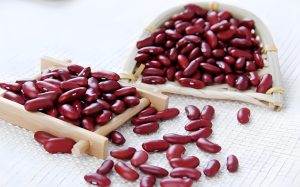
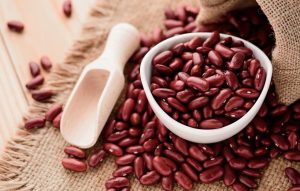
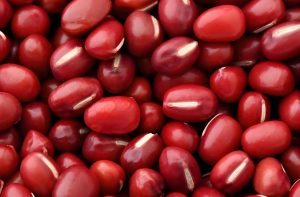
Red beans and kidney beans are commonly consumed bean products. A significant portion of both red beans and kidney beans are used as raw materials in food processing. Many people find it challenging to distinguish between them, but in fact, there are many differences not only in appearance but also in their uses. Let’s take a closer look.
To understand their differences, we first need to know their respective characteristics.
Red beans are a type of legume, an annual herb belonging to the Vigna genus (Vigna angularis), also known as adzuki beans. The seeds of this plant are dark red and are commonly used in cooking and for medicinal purposes. 在中医中, red beans are used to treat symptoms such as damp-heat accumulation, hematuria, and abdominal edema, and they can serve as a high-protein, low-calorie food.
What are Kidney Beans?
Kidney beans, scientifically known as Phaseolus vulgaris L., are also legumes, commonly referred to as common beans, snap beans, or pole beans. They are annual, climbing or nearly erect herbs with flowers that can be white, yellow, light purple, or purple. 在中国, kidney beans have been cultivated since the Tang Dynasty. They are suitable for planting in temperate and tropical high-altitude areas, showing a good tolerance for cold and a preference for sunlight. Kidney beans are high in potassium and magnesium, low in sodium, and rich in protein, 膳食纤维, amino acids, and minerals like iron. Research on low-sugar kidney bean preserves indicates they can boost immunity and are beneficial for skin and hair health.
Are Red Beans and Red Kidney Beans the Same? What are the Differences? How to Distinguish Them?
Although both are red, they are not the same. They have distinct differences in appearance, nutritional content, 起源, and taste.
Variety
外貌
营养成分
起源
品尝
红豆
较小, usually oval-shaped, dark red or purple.
High in protein, contains essential amino acids.
Grown in southern and northern China, Congo, and Uganda.
Slightly sweet
Red Kidney Beans
Larger and kidney-shaped, bright red.
Rich in vitamins, 膳食纤维, 钙, 铁, and zinc.
Mainly produced in Shanxi, 中国.
Richer flavor
What Foods are made from Red Beans and Kidney Beans?
Red Beans are commonly used to process the following foods:
Red Bean Paste: The most common processed food, made by cooking, 脱皮, and frying red beans.
Red Bean Filling: An important ingredient for various pastries and snacks, such as mung bean cakes and rice balls.
Gana Beans: A fermented food made from red beans.
Red Bean Beverage: A composite plant protein drink that includes plant protein and starch.
Red Bean Milk Drink: A beverage made primarily from red beans and milk powder.
Kidney Beans are commonly used to process the following foods:
Pre-cooked Whole Grain Kidney Beans: Pre-cooked using temperature-controlled soaking, low-pressure steaming, and hot air drying, so they can be cooked with rice.
White Kidney Bean Dietary Fiber Solid Beverage: A solid beverage made through mixing and packaging processes.
Red beans are mainly used to make red bean paste, 馅料, Gana beans, red bean beverages, and red bean milk drinks, while kidney beans are primarily used for pre-cooked whole grain kidney beans and white kidney bean dietary fiber solid beverages.
Red Beans vs Kidney Beans
Can Red Beans and Kidney Beans Be Substituted for Each Other?
As both are legumes, red beans and kidney beans can sometimes be used interchangeably. 然而, they still have differences in nutritional content, 质地, and uses. Let’s break it down.
Nutritional Perspective
From a nutritional perspective, both red beans and kidney beans are rich in dietary fiber, 蛋白质, and antioxidants, making them suitable substitutes in many dishes. 例如, in various recipes by home cooks and professional chefs, red beans and kidney beans are often used interchangeably. Both can also serve as part of a staple diet, providing ample starch and dietary fiber.
Taste and Application Differences
然而, despite their nutritional similarities, they differ in taste and application. Red beans are typically used in Latin American dishes, while kidney beans are more common in Indian and American cuisines. Red beans have a sweeter flavor and softer texture, while kidney beans are larger and have a deeper red color. 所以, the choice between red beans and kidney beans can affect the final taste and texture of certain dishes.
Evidence of Substitution
此外, some evidence suggests that red beans and kidney beans can be substituted in specific cases. 例如, kidney beans can be a quick alternative to dry beans in recipes that call for red beans. 然而, there are also indications that significant differences exist in appearance, 质地, and nutritional benefits, making complete substitution impractical.
Red beans and kidney beans can often substitute for each other, particularly in dishes that require protein and dietary fiber. Nevertheless, when making a choice, it’s essential to consider the specific dish and personal taste preferences.
What Are the Yields of Red Beans and Kidney Beans?
Red Bean Yield
One acre of red beans typically produces around 300 pounds, though actual yield can vary based on soil fertility and planting season. In some regions, the cultivation cost of red beans is about 586 yuan per acre, with an acre output value of 780 yuan and a profit of 194 元. The yield of red beans is influenced by soil quality, nutrient management, and improved varieties. Using organic fertilizers in conjunction with improved varieties can significantly enhance yields.
Kidney Bean Yield
In Lansing Jinding Street, the yield of kidney beans is estimated to be around 300 pounds per acre. According to data from the fourth national kidney bean variety regional trial, there is considerable variation in yields among different varieties. 例如, the YD04-08 variety has an average yield of 146.38 千克 (大约 2,195.6 kg/hm²), while the YD04-07 variety averages 125.53 千克 (大约 1,883.0 kg/hm²).
What Are the Prices of Red Beans and Kidney Beans?
Red Bean Prices
In Harbin, 黑龙江, the reference price for Japanese adzuki beans is 5.05 yuan per pound, while the price for Nong’an red adzuki beans is 5.0 yuan per pound. The price for Northeast red beans is 27.97 yuan for 5 pounds, and the bulk price for dry red beans is 25 元每公斤.
Kidney Bean Prices
The wholesale market price for kidney beans (fresh) in major markets across the country ranges from a high of 15.00 yuan per kilogram to a low of 4.00 元每公斤. The price for purple kidney beans is 2.20 yuan per pound, while black kidney beans are priced at 6.20 yuan per pound. Prices for both red beans and kidney beans can vary based on region, variety, and specifications.
How Can International Bulk Buyers Find Quality Suppliers of Red Beans and Kidney Beans in China?
Red Beans vs Kidney Beans
Finding Quality Red Beans
For international bulk buyers looking to select quality red beans, particularly from Hebei Province, there are several aspects to consider:
Hebei is one of China’s primary production areas for red beans, especially in Wen’an County, where adzuki beans are renowned for their uniform size, bright red color, and thin skin, earning the titles “Red Pearl” 和 “Golden Bean.” The red beans from Fucheng County are also a specialty, characterized by their organic quality.
外貌
Quality red beans should be a vibrant red color, glossy, and not overly bright. Mature red beans may have a deeper hue; if they are too bright, they may be dyed or not fully dried. Good red beans have a high sheen and a smooth surface without blemishes.
Shape and Integrity
Choose red beans that are oval-shaped, as this indicates quality. Avoid those that appear shriveled. High-quality red beans have very few broken or damaged pieces.
品尝
Fresh red beans have a characteristic bean aroma and smell pleasant, while older beans may lack this aroma and might even have a musty smell.
By following these criteria, international bulk buyers can find quality red beans from Hebei.
Finding Quality Kidney Beans
Hebei is also a crucial production area for kidney beans, particularly in Zhangjiakou, where the kidney beans produced in Kangbao County are distinguished by their unique geographical and climatic conditions, offering a sweet, smooth texture and significant anti-inflammatory properties due to high levels of anthocyanins and saponins. Other regions like Huai’an, Yangyuan, Zhuolu, and Yuxian also produce a considerable amount of yellow kidney beans.
外貌
Look for kidney beans that are bright and glossy, with plump, uniform grains, free from cracks, damage, pests, or mold. They should feel full and juicy to the touch, with no old fibers and a smooth skin.
Texture
Kidney beans should be dry and produce a crisp sound when bitten, indicating they are well-dried; if they do not make a crisp sound, they may be moist and prone to spoilage.
品尝
Quality kidney beans should have a normal aroma and flavor, while any sour or moldy taste indicates poor quality.
Kangbao County has introduced quality varieties and implemented standardized cultivation to ensure the purity of red kidney bean color and high quality. 而且, Hebei Province is committed to enhancing the protection and utilization of germplasm resources by introducing superior foreign varieties to improve the quality of local specialty agricultural products.
What Traditional Foods Are Suitable for Red Beans and Kidney Beans?
Red Beans vs Kidney Beans
Both beans are prepared differently across various countries. Here’s a summary of how they are used in different regions:
Red Beans in Global Cuisine
In Europe, red beans are typically used in soups, stews, and salads. 例如, Italians often pair red beans with rice to make classic dishes like Tuscan bean soup. 此外, red beans can be ground into flour for baking or baby food.
In Asia, red beans are quite popular. 在中国, they are commonly made into red bean soup, red bean porridge, and the beloved red bean cake. Japanese cuisine often features red beans in sweet fillings for pastries and desserts, and they are also used in porridge or cooked with rice. In India, red beans are frequently cooked with rice to make a hearty porridge.
In Central and South America, red beans are also important ingredients. In Mexico and Central America, red beans are often cooked with rice and seasoned with cumin and Mexican herbs. In South America, they can be used in soups, such as a specialty stew with potatoes and pickled vegetables. 此外, red beans and rice are common in traditional dishes from Louisiana.
In Africa, red beans are used in various dishes, such as those cooked with spinach and beef. They are also utilized for soups or stews in some regions.
These diverse culinary applications showcase the versatility and adaptability of red beans worldwide.
Kidney Beans in Global Cuisine
Kidney beans also have many traditional preparations. Originating from Central and South America, kidney beans are widely cultivated and consumed globally. They are featured in various traditional dishes across regions.
In Europe, kidney beans are used in many recipes. 例如, in Luxembourg, a famous traditional dish called “Judd mat Gaardebounen” consists of smoked pork served with white kidney beans. They are also an important side dish in French cuisine.
In Asia, kidney beans play a significant role as well. 在中国, they are widely used in various culinary creations, especially in Taiwan and Japan, where they have become common ingredients. Kidney bean curry is a traditional Indian dish characterized by kidney beans and flavorful tomato sauce. 此外, they are used to make red bean porridge and Tuscan bean soup.
In Africa, kidney beans paired with rice are particularly popular. 例如, in Cameroon, people enjoy dishes made with curry beans and rice.
In Central and South America, kidney beans are integral to culinary culture. Traditional dishes include Mexican kidney bean corn chowder. 此外, kidney beans are often used with cumin and Mexican herbs in cuisines from Mexico, Central America, and South America.
Thanks to their rich nutritional value and unique flavors, kidney beans hold an important place in global diets and are used in a variety of traditional dishes.