What is Black Sesame Oil? Benefits and How to Use
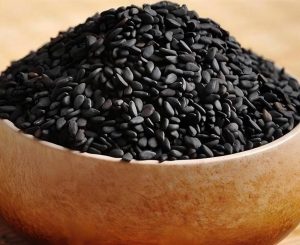
Black sesame oil is extracted from black sesame seeds, also known as sesame or fragrant oil. Pure black sesame oil has an amber color and is crystal clear. Let’s dive into an introduction to black sesame oil.
How is Black Sesame Oil Made?
The process of making black sesame oil is actually quite intricate. Let’s take a look at the steps:
- Prepare ingredients: Black sesame seeds, walnut oil (optional), oil press.
- Cleaning the sesame seeds: Take an appropriate amount of black sesame seeds, wash them with water, and drain the excess water.
- Roasting the sesame seeds: Pour the drained sesame seeds into a flat pan or clay pot, and roast them over low heat. Stir constantly with a spatula to avoid burning, and roast until the sesame seeds crackle and can be easily crushed by hand.
- Extracting the oil: If using an oil press, preheat it first, then pour the roasted sesame seeds into the feeding hopper while hot. The black sesame oil will flow out from the press chamber and pass through a filter into a container. If using a food processor or blender, let the roasted sesame seeds cool, then add them to the machine. You can add a small amount of walnut oil for extra smoothness and blend thoroughly. After blending, pour the extracted black sesame oil into a container.
- Letting the oil settle: The freshly extracted black sesame oil may appear cloudy. Let it sit for at least 8 hours, or longer if possible, to allow the oil to clarify.
- Storing: After the oil has settled, pour it into a sealed oil bottle for storage.
How to Use Black Sesame Oil?
You may wonder whether black sesame oil is used the same way as other oils. Due to its unique flavor, black sesame oil has many applications:
- Cooking: It is most commonly used in cooking, such as stir-frying and pan-frying fish, to enhance the aroma and taste of the dish.
- Cold dishes: It can be used for dressing cold dishes, or mixing noodles, or rice to add a rich flavor.
- Soups: Adding a small amount to soups can make them more delicious.
- Dipping sauce: It can be used as a dipping sauce to accompany various foods.
- Bread and buns: It can also be spread on bread, buns, and other staple foods to add fragrance and nutrition.
What Are the Other Uses of Black Sesame Oil?
Besides being paired with delicious food, black sesame oil has many other uses:
- Skincare and Moisturizing: Rich in vitamin E and unsaturated fatty acids, it can be applied directly to the skin to maintain elasticity and shine.
- Massage Oil: With a smooth texture and light fragrance, it is suitable as a massage oil, promoting blood circulation and relaxation.
- Hair Care: Applying it to the hair or adding it to shampoo helps nourish and protect the hair, making it healthier and shinier.
- Dietary Supplement: Nutrient-rich, containing protein, fat, vitamins, and minerals, moderate consumption can nourish the body and boost immunity.
- Herbal Remedies: According to traditional Chinese medicine, black sesame oil nourishes the kidneys, promotes digestion, and improves circulation. It can be used in medicinal dishes to support health.
Black sesame oil has a wide range of uses in health care, beauty, and hair care.
Has Black Sesame Oil Replaced the Common Oils on the Market?
Although black sesame oil has many uses and benefits, it hasn’t fully replaced other oils available on the market.
While black sesame oil is nutritious and fragrant, its use in cooking is somewhat limited. For example, it may not be stable at high temperatures, which could prevent it from performing optimally. Common cooking oils like soybean oil, peanut oil, and canola oil each have their own advantages, disadvantages, and suitable cooking methods, complementing black sesame oil.
Will Black Sesame Oil Make Your Hair Darker?
This is likely the most commonly asked question. While consuming black sesame can help improve hair color to some extent, it’s not a guaranteed effect. Black sesame seeds are rich in nutrients like protein, fat, vitamins, and minerals, including melanin and trace elements essential for hair growth, which can potentially support hair health and color.
- A. Melanin in black sesame: The melanin in black sesame can deepen the color of your hair, making it look darker and shinier. However, this effect varies from person to person, and not everyone will achieve the same result.
- B. Trace elements like iron and zinc: These elements support hair growth. Deficiency in these nutrients can lead to hair loss or breakage, and supplementing them may help improve hair health and growth.
- C. Fatty acids in black sesame: These help nourish the hair, making it softer and more lustrous.
How Much Does Black Sesame Oil Cost?
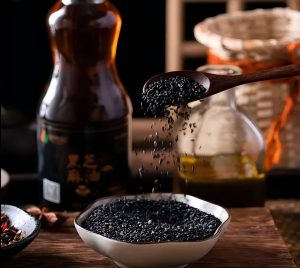
The price of black sesame oil varies based on factors like brand, size, origin, and sales channel.
- Small bottles of black sesame oil, such as 100ml or 200ml, may range from a few to several dozen yuan.
- In wholesale markets, the price may vary depending on quantity and quality, but it’s usually more affordable than retail prices.
- Imported or specialty black sesame oils may have a relatively higher price.
Which is Better: Black Sesame Oil or White Sesame Oil?
The comparison between black sesame oil and white sesame oil depends on individual preferences and needs. Here’s a detailed analysis:
- Nutritional content: Black sesame oil has slightly higher protein, calcium, and vitamin E levels, giving it more health benefits.
- Flavor and taste: White sesame oil has a higher oil content and better oxidative stability, making it more fragrant and ideal for cooking and flavor enhancement. Black sesame oil has a rich and deep aroma, better suited for health and beauty purposes.
- Usage: Black sesame oil has a higher smoke point, making it suitable for high-temperature cooking. White sesame oil, with a lower smoke point, is better for low-temperature cooking or as a finishing oil.
- Shelf life: White sesame oil generally has a higher antioxidant content, giving it a longer shelf life and making it easier to store.
In conclusion, both black and white sesame oils have their advantages, making them great choices for healthy home cooking. You can choose based on your taste and needs.
Is Black Sesame Oil Better than Peanut Oil, Canola Oil, Flaxseed Oil, or Olive Oil?
There isn’t a definitive answer to which oil is “better,” as each type of oil has its own unique benefits. However, black sesame oil is known for its superior health benefits, particularly in traditional wellness practices. Here’s a comparison:
- Black Sesame Oil: It has a rich aroma and is packed with vitamin E and unsaturated fatty acids. It offers antioxidant properties, skin moisturization, and hair benefits. It’s more suitable for health and beauty purposes, but it tends to be more expensive.
- Canola Oil: Contains a high amount of linoleic acid and other unsaturated fatty acids, as well as vitamin E and beta-carotene. It helps reduce cholesterol and prevent cardiovascular diseases, making it suitable for everyday cooking. It is moderately priced.
- Peanut Oil: Known for its rich flavor and smooth texture, it contains oleic acid, lecithin, and vitamins A, D, E, and K. It can help reduce cholesterol and protect blood vessels, making it great for cold dishes, light stir-fries, or stews.
- Flaxseed Oil: Rich in linolenic acid and alpha-linolenic acid, both essential Omega-3 fatty acids that support brain health and metabolism. However, its stability decreases with heat, so it’s best for cold dishes or low-temperature cooking.
- Olive Oil: Often called “liquid gold,” it contains over 80% unsaturated fatty acids. It helps reduce blood lipids, prevent blood clots, and protect cardiovascular health. However, it is high in calories, and daily consumption should be limited to 25 grams or less. Extra virgin olive oil is not ideal for high-temperature cooking.
In choosing cooking oil, it’s best to consider your personal taste, cooking methods, nutritional needs, and budget.
Why Do the Prices of Black Sesame Oil Vary So Much?
There are several reasons for the significant price differences in black sesame oil:
- Production process: Different brands or manufacturers use different production methods, which affect both the cost and quality of the oil, influencing the price.
- Raw material quality: The cost difference between premium and lower-grade black sesame seeds is substantial, and oil extracted from high-quality seeds is naturally more expensive.
- Packaging size: Smaller packaging usually costs less, but larger packages tend to be more economical on a per-unit basis.
- Brand reputation: Well-known brands or established companies with good reputations often charge higher prices due to their positive customer feedback and reliability.
- Market supply and demand: Market conditions also affect pricing. When supply exceeds demand, prices drop; when demand is higher than supply, prices increase.
In conclusion, the price difference of black sesame oil is a result of various factors combined.