What are Black Oil Sunflower Seeds?
Black oil sunflower seeds are an excellent raw material for food processing, rich in protein and fat. They are an indispensable food in bird feed, essential for species such as parrots and pigeons. So, what exactly are black oil sunflower seeds? Let’s delve into this topic.
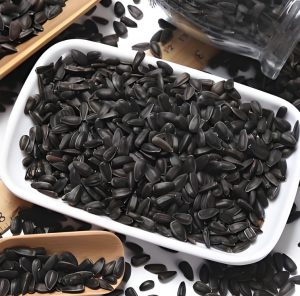
Black oil sunflower seeds are high in fat and protein and are commonly used for oil extraction and as feed. Their small, plump characteristics make them ideal for oil extraction, and their high fat content also makes them an important ingredient in bird feed. The significance of black oil sunflower seeds in bird feed can be seen in several ways.
First, they are rich in fats and proteins, crucial for birds to maintain body temperature and energy during winter. Second, the relatively thin shell of black oil sunflower seeds makes them easier for birds to eat. Additionally, they are a preferred food for many small bird species, including Northern Cardinals, Goldfinches, and Robins. While these birds may have preferences for other foods, black oil sunflower seeds remain a vital food source.
Black oil sunflower seeds are valued not only for their nutritional content but also for their ease of consumption and broad appeal, making them a significant component of bird feed.
What Are the Nutritional Components of Black Oil Sunflower Seeds?
Black oil sunflower seeds are packed with numerous nutrients, including protein and unsaturated fatty acids, which play a significant role for birds. Let’s take a closer look.
- Black oil sunflower seeds contain a high proportion of unsaturated fatty acids, which positively impact birds’ cardiovascular health. During winter, high-fat foods like black oil sunflower seeds help birds maintain body temperature and endure the cold season. Furthermore, fats are a crucial energy source for birds during flight.
- They are rich in protein, essential for birds’ growth and repair. Protein is a fundamental component of feathers, muscles, and other tissues, vital for overall health and vitality.
- Black oil sunflower seeds are abundant in various vitamins, including Vitamin E, B vitamins (such as niacin, riboflavin, and folic acid), and Vitamin D. Vitamin E acts as a powerful antioxidant, helping to protect cells from oxidative stress, slow the aging process, and support skin health. B vitamins contribute to energy metabolism and nervous system function.
- They are also rich in several minerals, such as magnesium, copper, manganese, zinc, and phosphorus. These minerals are crucial for maintaining birds’ normal physiological functions and health. For instance, magnesium supports bone health, while zinc is essential for the immune system and wound healing.
Therefore, the fats, proteins, vitamins, and minerals in black oil sunflower seeds provide rich nutrition for birds, helping them maintain a healthy lifestyle, especially in cold winter environments. These nutrients not only support their basic physiological needs but also enhance their immunity and adaptability.
Planting and Production of Black Oil Sunflower Seeds
The planting and production of black oil sunflower seeds involve several aspects, including planting time, methods, and major production areas.
Planting Time and Methods
- Planting Time: The optimal planting time for black oil sunflower seeds is generally around April each year when soil temperatures are suitable for seed germination. In southern regions, planting can occur in March or April.
- Planting Methods:
- Soil Preparation: Choose loose, fertile, and well-drained soil.
- Seed Treatment: Soak seeds in warm water for 3-5 hours before planting to improve germination rates.
- Sowing: Use a hole sowing method, placing 2 seeds per hole, with a row spacing of 50 cm and a plant spacing of 30-40 cm, at a depth of 3 cm, with a density of about 3800 plants per acre.
- Maintenance: Keep the soil slightly moist and ensure the plants receive ample sunlight.
Major Production Areas
Black oil sunflower seeds are mainly grown in northeastern, northern, and northwestern China. These regions have suitable climatic and soil conditions for their growth.
When discussing planting methods, it’s important to mention the two types of cultivation: organic and conventional. Here are their distinctions:
- Organic Cultivation: This method does not use pesticides, chemical fertilizers, or herbicides, and relies on groundwater irrigation, requiring high standards for soil and water sources. Black oil sunflower seeds produced this way are healthier and more natural, albeit at a higher price.
- Conventional Cultivation: This method may involve the use of chemical fertilizers and pesticides to enhance yield and disease resistance.
Why Do Black Oil Sunflower Seeds Attract Birds?
The attraction of black oil sunflower seeds to birds can be explained from several perspectives.
First, research in “Colors of Fruit Displays of Bird-Dispersed Plants in Two Tropical Forests” shows that the fruit colors of bird-dispersed plants vary, with black fruits being a common color among these plants. This indicates that black fruits may possess a certain appeal to birds, as they are relatively common in nature and may be associated with ripe fruits.
Second, the study “Ultraviolet Reflection of Berries Attracts Foraging Birds: A Laboratory Study with Redwings (Turdus iliacus) and Bilberries (Vaccinium myrtillus)” indicates that birds can perceive ultraviolet (UV) light, and certain blue, purple, and black berries reflect UV light. This means that black fruits might attract birds by reflecting UV light, which is visible to them and may signal the fruit’s ripeness.
Additionally, the research “Adaptation of Fruit Morphology to Dispersal Agents in a Neotropical Forest” points out that fruit morphology in plants adapts to different dispersal agents, including birds. This suggests that plants have evolved specific fruit characteristics to attract certain dispersers, such as birds. Black fruits may be part of this adaptive feature, as they could be visually more appealing to birds.
Finally, the study “The Color of Light in Forests and Its Implications” emphasizes the influence of forest light environments on communication between plants and animals. Although this study mainly focuses on how light environments affect plant growth and morphology, it implies that environmental light conditions may influence the color displays and attractiveness of plants. Therefore, black oil sunflower seeds might exhibit higher visibility and attractiveness in specific light conditions, thereby attracting birds.
the reasons black oil sunflower seeds attract birds may include: black fruits being a common color among bird-dispersed plants, reflecting UV light to draw birds, and being part of plant adaptive features that make them visually appealing to birds in specific light environments.
How to Combine Black Oil Sunflower Seeds with Bird Feed?
When preparing bird feed, it’s essential to consider the nutritional needs and food preferences of different bird species. Here are some recommended formulas and considerations:
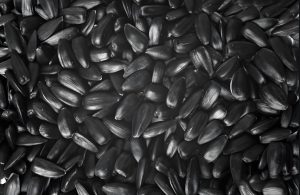
Recommended Formulas
- Three-in-One Mixed Feed: A blend of black oil sunflower seeds, oilseeds, and safflower seeds, suitable for birds like parrots.
- Two-in-One Mixed Feed: A combination of black oil sunflower seeds and flaxseeds, ideal for pigeons, hamsters, and parrots.
- Multi-Ingredient Mixed Feed: A specially designed parrot feed mix containing various seeds, grains, and other nutrients to avoid health risks associated with a single food source.
Mixing Method
Mix different grains in the required proportions. For example, combine black oil sunflower seeds with Sudan grass seeds and white quail seeds. It’s crucial to empty the feed container daily, remove any shell debris, and add fresh feed to ensure birds can access it.
Considerations
- Avoid Excessive Fats: While birds generally enjoy fatty feeds, overconsumption can be harmful. Gradually train birds to accept mixed feeds without relying solely on fatty ingredients.
- Control Fiber Content: Black oil sunflower meal has a high fiber content (up to 12%), double that of ordinary soybean meal. Control the amount added to avoid excessive fiber affecting digestion.
Risks of Overconsumption
- Excessive fat can lead to obesity and other health issues, such as cardiovascular diseases.
- High fiber intake can disrupt normal digestive system function.
By carefully balancing and controlling feed components, birds can receive a well-rounded diet while avoiding health issues related to overconsumption.
Are Black Oil Sunflower Seeds Suitable for All Birds?
Black oil sunflower seeds are high in fat and protein, making them suitable for many small bird species, especially those needing extra energy during winter. However, not all birds are suited to eat them. For instance, while finches can easily consume these seeds, the higher fat content might be too rich for some birds, such as parrots. Though they can eat sunflower seeds, excessive consumption of high-fat foods can lead to health issues.
Additionally, the thin shells of black oil sunflower seeds are easy for small birds to crack, but they may not be tough enough for birds with larger beaks that require more chewing power. While these seeds are a preferred food for many small birds, some specific types may not find them suitable.
What Are the Major Producers of Black Oil Sunflower Seeds in China?
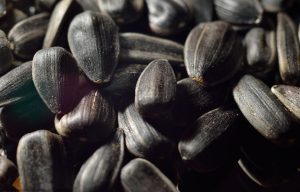
China has several well-known producers of black oil sunflower seeds, each with strengths in product variety, production technology, and market influence.
| Manufacturer | Characteristics |
|---|---|
| Yihai Kerry Group | A leading grain and oil food enterprise in China, known for its sunflower oil products, backed by advanced production lines and strict quality control. |
| Cargill Foods (China) | Strong in sunflower oil processing, recognized for its high nutritional value and good taste, focusing on R&D and innovation. |
| Shandong Luhua Group | A famous edible oil producer in China, favored for its high purity and quality sunflower oil, with a complete management system from sourcing to sales. |
| Beidahuang Food Group | A subsidiary of Beidahuang Group, specializing in green kitchen solutions, with sunflower oil products marketed as green and healthy. |
| Inner Mongolia Mr. Sun Food Co., Ltd. | Established in 2016, known for producing high-quality sunflower seeds, suitable for consumption and oil extraction. |
These manufacturers have unique characteristics in black oil sunflower seed production and processing, with Yihai Kerry Group and Luhua Group leading in market influence and product quality, while Cargill Foods and Beidahuang Food focus on innovation and health aspects. Inner Mongolia Mr. Sun Food Company is noted for its selected sunflower seed products.
How to Identify Quality Black Oil Sunflower Seeds?
First, determine the purpose of using black oil sunflower seeds, whether for bird feed or oil extraction, as different uses require different identification criteria.
For Bird Feed:
- Color: Quality black oil sunflower seeds are typically deep black, smooth, and shiny, without impurities.
- Plumpness: They should be full-bodied, with thin shells that are easy to crack open, and uniformly large kernels.
- Freshness: Fresh seeds have higher fat content, ensuring nutritional value and taste.
For Oil Extraction:
- Variety: Quality black oil sunflower seeds refer to oil sunflower seeds, which are small black seeds ideal for oil extraction.
- Oil Content: Whole oil sunflower seeds have an oil content of 45%-54%, making them a primary raw material for oil. In China, the average oil content is 30%-35%, with oil sunflower seeds reaching 45%-50%.
By using these methods, you can comprehensively identify high-quality black oil sunflower seeds, whether for bird feed or oil extraction.
Reference
Dötterl, S., & Jürgens, A. (2005). Colors of fruit displays of bird-dispersed plants in two tropical forests. Journal of Tropical Ecology, 21(6), 693-698. https://doi.org/10.1017/S0266467405003026
Hegyi, G., & Farkas, R. (2014). Ultraviolet reflection of berries attracts foraging birds: A laboratory study with redwings (Turdus iliacus) and bilberries (Vaccinium myrtillus). Ecological Research, 29(2), 209-217. https://doi.org/10.1007/s11284-013-1104-2
Faria, J., & Diniz-Filho, J. A. F. (2014). Adaptation of fruit morphology to dispersal agents in a Neotropical forest. Journal of Ecology, 102(6), 1440-1450. https://doi.org/10.1111/1365-2745.12281
Smith, S. R. (2016). The color of light in forests and its implications. Forest Ecology and Management, 366, 45-52. https://doi.org/10.1016/j.foreco.2016.01.010