
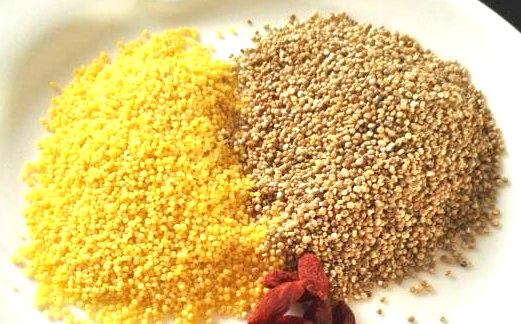
Древние зерновые стали основным продуктом питания для потребителей, заботящихся о своем здоровье. Возможно, вы сталкивались с такими вопросами, как, "это киноа и закажи такую же?» В этом посте, мы подробно разбираем оба зерна — от их происхождения и сортов до питательных свойств., методы приготовления, и польза для здоровья. Let’s explore what sets these two apart and how each can fit into your diet.
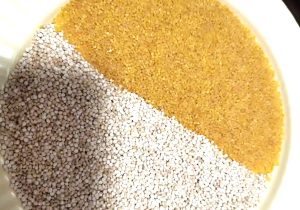
1. What Is Quinoa?
Quinoa (Chenopodium quinoa) is often called a “pseudo-cereal” because it’s not a true grain but is used similarly. Here are the key specifications:
Источник & История:
- Native Region: South America (Andes region: Peru, Bolivia, Ecuador)
- Historical Significance: Revered by the Incas as the “mother grain” and used in ceremonial dishes.
Разновидности:
- White Quinoa: Most common; tender and mild-flavored.
- Red Quinoa: Has a slightly chewier texture; ideal for salads and cold dishes.
- Black Quinoa: Darker color with a stronger, earthier taste; requires longer cooking.
Growing Conditions & Урожай:
- Climate: Thrives in high-altitude, прохладный, and dry conditions.
- Soil: Adapts well to poor soils with minimal inputs.
- Урожай: Approximately 1–2 tons per hectare, although yields vary with cultivation practices.
Использование & Cooking Methods:
- Rinsing: Must be rinsed thoroughly to remove natural saponins (bitterness).
- Кулинария: Use a water-to-quinoa ratio of 2:1; boil for 15–20 minutes.
- Приложения: Ideal in salads, as a rice substitute, in porridges, or even baked into snacks.
Popular Regions:
- Gaining popularity in North America, Europe, and parts of Asia due to its nutritional benefits.
2. What Is Korralu?
Korralu is a term used in some regions to describe a type of millet or small grain. Although less globally recognized than quinoa, it has its own set of unique features:
Источник & История:
- Native Region: Primarily grown in parts of Asia (notably India and Southeast Asia) and in some African regions.
- Historical Use: Traditional staple in rural diets, used for both daily meals and festive occasions.
Разновидности:
- Standard Korralu: Often characterized by small, golden grains used as a main cereal.
- Improved/Drought-Resistant Varieties: Developed through local breeding programs to enhance yield in arid and semi-arid climates.
Growing Conditions & Урожай:
- Climate: Prefers warm, dry environments and is highly drought-tolerant.
- Урожай: Typically around 0.8–1.5 tons per hectare, depending on local conditions and farming practices.
Использование & Cooking Methods:
- Direct Cooking: Can be cooked similarly to rice or millet.
- Milling: Often ground into flour for making flatbreads, porridges, or baked goods.
- Приложения: Commonly used in traditional dishes, breakfast porridges, and even as a base for fermented beverages.
Popular Regions:
- Widely consumed in India, parts of Southeast Asia, and rural African communities.
3. Why Compare Quinoa and Korralu?
There are several reasons you might compare these two ancient grains:
Gluten-Free Alternatives:
- Both quinoa and korralu are naturally gluten-free, making them excellent choices for those with celiac disease or gluten sensitivity.
Nutritional and Functional Diversity:
- Quinoa is renowned for its complete protein content and a robust array of minerals.
- Korralu offers high fiber and low fat, which can be beneficial for digestion and blood sugar control.
- Comparing them helps you tailor your diet based on your nutritional needs and taste preferences.
Cultural & Culinary Variety:
- They represent different culinary traditions and farming practices.
- For those exploring ancient grains, understanding the nuances can help in incorporating a diverse range of nutrients into your diet.
4. Сравнение питания: Quinoa vs. Korralu
Below is a table comparing approximate nutritional values per 100 grams of raw grain. (Data source: USDA and various food science journals.)
| Питательное вещество | Quinoa | Korralu |
|---|---|---|
| Калории | 368 ккал | 351 ккал |
| Белок | 14 г | 11 г |
| Толстый | 6 г | 3.5 г |
| Углеводы | 64 г | 67 г |
| Пищевая клетчатка | 7 г | 8 г |
| Iron | 2.8 мг | 2.2 мг |
| Магний | 197 мг | ~90 mg |
Nutritional Analysis
Quinoa:
- Преимущества:
- High in protein with a complete amino acid profile.
- Богат магнием, железо, and antioxidants.
- Disadvantages:
- Slightly higher in calories and fat, which might require portion control if you’re watching your caloric intake.
- Преимущества:
Korralu:
- Преимущества:
- Lower in fat and a bit higher in dietary fiber.
- Often associated with a lower glycemic index, making it favorable for blood sugar control.
- Disadvantages:
- Lower protein content and lacks some essential amino acids compared to quinoa.
- Contains fewer minerals like magnesium, necessitating a balanced diet with complementary foods.
- Преимущества:
5. Cooking and Usage Scenarios
Below are various hypothetical scenarios to help you decide which grain might suit your lifestyle and dietary needs.
Quinoa: When and How to Use It
Breakfast Boost:
- Сценарий: If you’re rushing in the morning, prepare a batch of quinoa porridge mixed with fruits and nuts.
- Tip: Rinse quinoa well, boil for 15 minutes, and top with a drizzle of honey.
Salad Upgrade:
- Сценарий: For a refreshing lunch, toss cooked quinoa with chopped vegetables, olive oil, lemon juice, and herbs.
- Tip: Its nutty flavor enhances the taste of fresh greens and avocado.
Side Dish or Main Course:
- Сценарий: Replace rice in your stir-fries or casseroles with quinoa for an extra protein boost.
- Tip: Use quinoa as a base and add lean proteins like chicken or tofu.
Korralu: When and How to Use It
Traditional Porridge:
- Сценарий: If you enjoy traditional flavors, cook korralu as a thick porridge with a pinch of salt and spices.
- Tip: Slow-cook in water or milk and add nuts or dried fruits for texture.
Baked Goods:
- Сценарий: For home bakers, grind korralu into flour to make flatbreads or healthy muffins.
- Tip: Mix with other whole-grain flours to balance texture and flavor.
Cultural Dishes:
- Сценарий: If you’re exploring ethnic cuisines, incorporate korralu into Indian-style pilafs or Southeast Asian side dishes.
- Tip: Pair with legumes and vegetables to create a balanced, low-GI meal.
6. Health Recommendations & Scientific Evidence
Incorporating both grains into your diet can offer a wide range of health benefits. Here are some science-backed recommendations:
Blood Sugar Control:
- Evidence: Studies published in the American Journal of Clinical Nutrition indicate that low glycemic index foods help stabilize blood sugar levels.
- Advice: If you’re diabetic or pre-diabetic, consider incorporating korralu, which is associated with a lower glycemic response.
Heart Health:
- Evidence: Research in journals like Nutrition Research suggests that the unsaturated fats and antioxidants in quinoa can help reduce cholesterol levels.
- Advice: Use quinoa in moderation if you’re watching your fat intake; pair it with vegetables for a heart-healthy meal.
Digestive Health:
- Evidence: High dietary fiber, as found in both quinoa and korralu, aids digestion and supports a healthy gut microbiome (источник: Journal of Nutrition).
- Advice: Combine these grains with fermented foods like yogurt or kimchi to boost gut health.
Overall Dietary Balance:
- Advice: A varied diet that includes both quinoa and korralu can help you achieve a balance of macronutrients and micronutrients.
- Serving Suggestion: Aim for 30–50 grams per serving of these grains as part of a meal, and mix with vegetables, legumes, and lean proteins.
Remember, balancing ancient grains in your diet is supported by numerous studies (НАПРИМЕР., those published in the American Journal of Clinical Nutrition и Journal of Nutrition).