
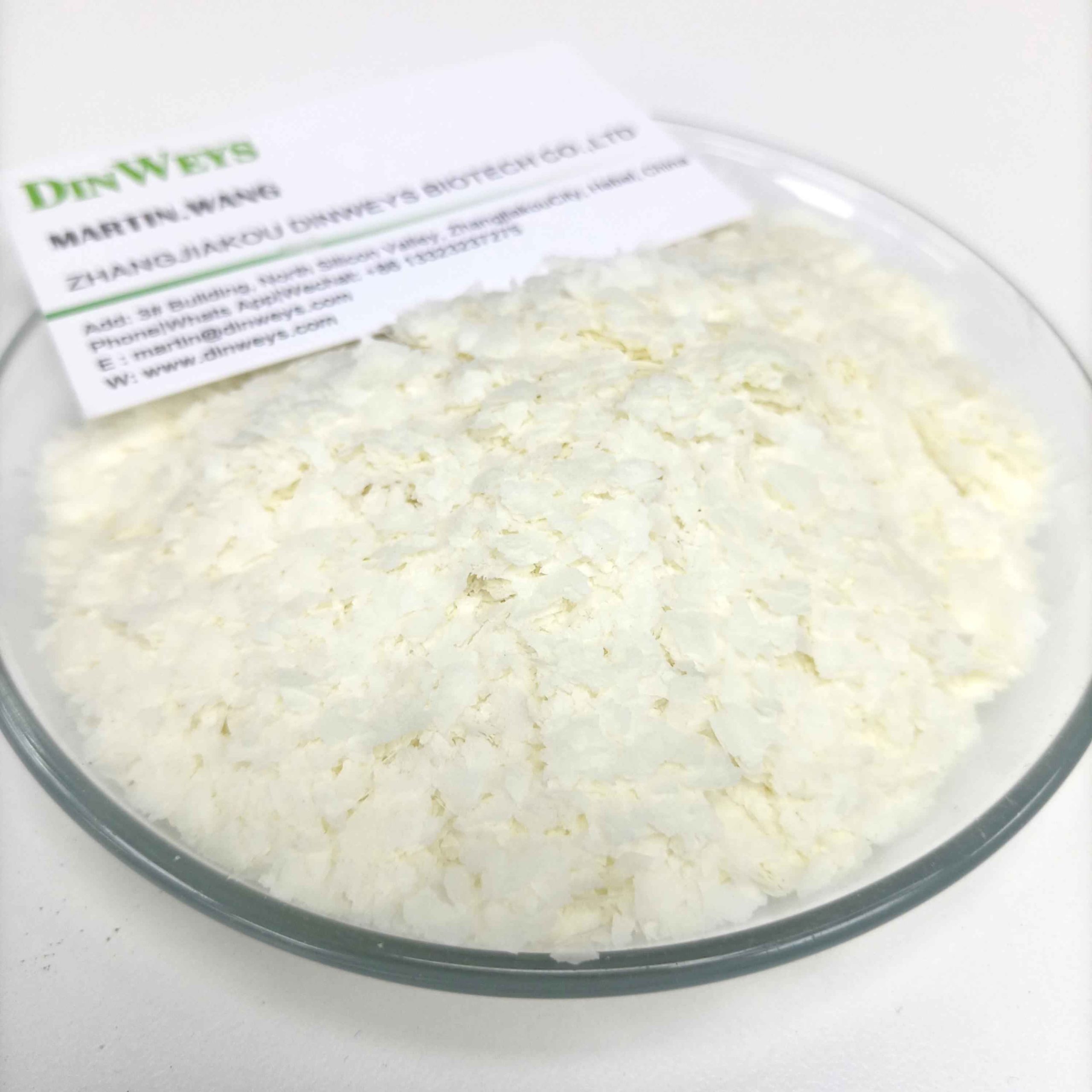
Many friends choose meal replacement products to control their weight better and maintain health. Many people are trying various products, including protein powder, shakes, dried fruits and vegetables, and whole-grain foods. But have you ever considered that flocos de batata might be a common meal replacement option? What do you need to know about potato flakes?
What is the Nutritional Structure of Potato Flakes?
Potato flakes are a nutrient-rich food, primarily composed of carbohydrates, proteínas, gorduras, fibra dietética, as well as vitamins and minerals.
- Carboidratos: The main component of potato flakes is carbohydrates, with a content as high as 82.7g/100g. Carbohydrates are the primary energy source for the body, helping to maintain the energy levels needed for daily activities.
- Proteins: The protein content in potato flakes is about 8.4g/100g, with slight variations depending on the potato variety, averaging around 9.81g/100g. Potato protein contains essential amino acids beneficial for human health.
- Gorduras: Potato flakes have a low-fat content of only 0.5g/100g, making them an ideal choice for low-fat diets.
- Fibra Alimentar: Potato flakes are rich in dietary fiber, with a total dietary fiber content of 22.5%. Dietary fiber helps promote gut health, prevent constipation, and reduce the risk of cardiovascular diseases.
- Vitaminas e Minerais: Potato flakes contain various vitamins and minerals, such as vitamin C, vitamin A, potássio, cálcio, e ferro. These nutrients play important roles in the immune system, bone health, and antioxidant functions.
- Outros nutrientes: Potato flakes also contain small amounts of sodium and other minerals, as well as some antioxidants and polyphenolic compounds, which help enhance the nutritional value and health benefits of the food.
Potato flakes are not only nutrient-rich but also feature high protein, high fiber, and low-fat characteristics, making them a healthy food suitable for daily diets.
What Meal Replacement Foods Can Be Made from Potato Flakes?
Of course, they can be used to make a variety of meal replacement foods. Potato flakes are a nutrient-rich and easily digestible food ingredient that can be used to prepare various meal replacement foods. Here are several meal replacement products that can be made with potato flakes:
- Meal Replacement Powder: Potato flakes can serve as one of the main ingredients in meal replacement powders. Research shows that potato-based meal replacement powders have good solubility and nutritional protein, making them suitable as complementary food for infants or daily dietary supplements for adults. Adicionalmente, this meal replacement powder is characterized by low energy, alta proteína, and high dietary fiber, meeting essential nutrient requirements and helping to regulate gut microbiota.
- Bread and Puff Snacks: Potato flakes can be used to make bread and other puff snacks. Due to their low fat and low sugar characteristics, potato flakes are very suitable for these products.
- Noodles and Dried Noodles: Potato flakes can be mixed with wheat flour to make soft and delicate noodles and dried noodles. These noodles not only retain the vitamins, minerais, and amino acids found in potatoes but also improve the texture and nutritional profile of the food.
- Tangyuan and Other Staple Foods: Potato flakes can also be used to make staple food products like tangyuan. Por exemplo, by adding glutinous rice flour and corn starch, one can produce visually appealing and flavorful potato tangyuan.
- Steamed Breads and Other Flour Products: Potato flakes can be used to make steamed breads and other flour products. Although some issues may arise during production, such as high energy consumption and nutrient loss, these can be effectively improved through optimized formulas and processes.
- Other Functional Foods: Potato flakes can also be used to produce functional foods, such as yogurt and beverages. These products not only retain the nutritional value of potatoes but also add value to the products.
Due to their rich nutritional content and good processing performance, potato flakes can be widely used in the production of various meal-replacement foods, including meal-replacement powders, pão, puff snacks, noodles, tangyuan, steamed bread, and other functional foods.
What Are the Advantages of Potato Flakes as a Meal Replacement?
Many people may wonder why, with so many meal replacement products on the market, we should choose potato flakes. What advantages do they offer? Here are the benefits that I believe will convince you:
The advantages of potato flakes as a meal replacement powder mainly include the following aspects:
- High Nutritional Value: Potato flakes are rich in protein, amino acids, e minerais, providing a high nutritional value. Studies show that the average protein content in different potato varieties is 9.81 g/100 g, with a total amino acid content averaging 75.70 mg/100 g. Adicionalmente, potato flakes are abundant in vitamins B1, B2, and others.
- Low Calorie and Low Fat: Potato flakes are low in fat, açúcar, and calories, giving them a significant advantage for weight control and healthy eating. Compared to other grains, potato flakes have lower fat content, which can aid in weight loss and lower blood lipids.
- Good Water and Oil Retention: Potato flakes have a high water and oil retention capacity, allowing them to better maintain product texture and flavor during processing. Por exemplo, when making noodles, adding potato flakes can improve the cooking characteristics and sensory quality of the dough.
- Long Shelf Life: Potato flakes can be stored at room temperature for over 15 anos, offering a long shelf life, and making them an ideal food reserve.
- Good Processing Performance: Potato flakes can be made into various convenience foods, such as breakfast porridge, meat rolls, and biscuits, through scientific formulation and optimized processes. Adicionalmente, pre-treatments like steaming can improve their solubility and expansion, enhancing processing performance.
- Supports Gut Health: The resistant starch in potato flakes helps control obesity, improve metabolic syndrome, and maintain a balanced gut microbiota, promoting the growth of beneficial bacteria.
- Cost-Effective: While potato flakes may be relatively more expensive than traditional staples like wheat and corn, their richer nutritional profile makes them a viable alternative as a meal replacement.
Flocos de batata, with their high nutritional value, low calories, good water and oil retention, long shelf life, excellent processing performance, and benefits for gut health, represent an ideal meal replacement food.
How Much Potato Flakes Food Is Suitable for Daily Consumption?
From a nutritional and health perspective, potato flakes can be part of the main diet, and consuming them in moderation is beneficial. Por exemplo, studies indicate that incorporating around 30% potato flakes into staple foods (like steamed buns or noodles) does not negatively impact the nutrition and health of young individuals.
No entanto, it’s important to note that the intake of potato flakes should be adjusted based on individual health status, nutritional needs, and lifestyle habits. For people with specific health requirements, such as those with diabetes or obesity, more careful control over potato flakes intake may be necessary. Adicionalmente, the consumption of potato flakes should be considered when paired with other foods to ensure balanced nutrition.
While there is no specific daily recommended intake, moderate consumption of potato flakes is beneficial for health. It is advised to adjust the intake of potato flakes based on personal conditions and nutritional needs, while also considering their combination with other foods to achieve nutritional balance.
How to Properly Use Potato Flakes to Make Meal Replacement Products?
Proper use of potato flakes to create meal replacement products involves several aspects, including raw material selection, pre-treatment, recipe design, and processing techniques. Here’s a detailed guide based on the information I found:
- Raw Material Selection and Pre-Treatment: Choose fresh potatoes as the raw material and process them through washing, peeling, cutting, fumegante, and crushing to create potato flakes. Common-pressure steaming can improve the solubility, expansion, and slowly digestible starch (SDS) content of potato flakes, enhancing the dissolution properties and nutritional value of the meal replacement powder.
- Recipe Design: Design appropriate recipes based on different nutritional needs and taste preferences. Por exemplo, a low glycemic index (IG) potato meal replacement powder recipe could include 45% potato flakes with high resistant starch, 25% cooked rice flour, e 5% sesame powder. Another recipe could consist of 65%–70% potato flakes, 15%–20% millet, 5%–10% black millet flour, and 0.05%–0.1% king oyster mushroom powder.
- Processing Techniques: Durante o processamento, pay attention to factors such as the amount of potato flakes, water, carrageenan, sal, and cooking time to ensure product quality. Por exemplo, the optimal formulation for potato flakes baked goods could include 20% flocos de batata, 68% water, 0.8% yeast, e 6% granulated sugar.
- Nutritional and Sensory Evaluation: In recipe design and processing, consider both the nutritional value and sensory quality of the meal replacement products. Por exemplo, protein nutritional analysis of certain formulations shows that their EAA/TAA and EAA/NAA values are close to the ideal protein standards set by FAO/WHO. Adicionalmente, ensure good taste and flavor through sensory scoring and texture evaluation.
Resumindo, properly using potato flakes to make meal replacement products requires a comprehensive consideration of raw material selection, pre-treatment, recipe design, and processing techniques, ensuring that the products have good nutritional value while meeting consumers’ taste and sensory quality needs.
Flocos e grânulos de batata: Propriedades, Usos, e diferenças