As sementes de gergelim são sem glúten? - Especialista em produção de batata no norte da China 6 Fatos que é bom saber
In our daily lives, people often inquire about gluten, especially in food, as gluten can lead to health issues. Hoje, we discuss sesame—Are sesame seeds gluten-free?
What is Sesame?
Sesame (nome científico: Sesamum indicum) is an annual upright herbaceous plant belonging to the Pedaliaceae family. It is native to Asia, particularly India, and has a long cultivation history, having been introduced to China via the Silk Road during the Han Dynasty. Sesame seeds contain over 50% oil and are an important oilseed crop; the oil extracted is aromatic and commonly used in cooking and food processing.
Sesame is not only a vital source of cooking oil but also has various uses. Sesame oil is rich in antioxidants like sesamol and sesaminol, which have anti-cancer and health benefits. Adicionalmente, sesame is widely used in traditional medicine for treating conditions like hypertension, diabetes, and inflammation. It can also be processed into various food products, such as sesame paste, sesame candy, and sesame powder, making it an essential ingredient in baking and confectionery.
Sesame is highly adaptable to different environments and can grow in tropical, subtropical, and even temperate regions, demonstrating significant drought resistance. Major sesame-producing countries or regions include India, China, Turkey, and the Caribbean. Due to its high nutritional value and versatility, sesame holds significant economic value globally.
What is Gluten? In Which Food Ingredients is it found?
Gluten is a protein found in grains such as wheat, cevada, e centeio, primarily composed of gliadin and glutenin. This protein gives elasticity to dough, allowing it to rise and imparting a chewy texture to baked goods.
Gluten is widely present in various food ingredients, incluindo, mas não limitado a:
- Grãos: Whole wheat, bran, cevada, rye, aveia, spelt, kamut, and durum wheat.
- Flour products: High-gluten flour, whole wheat flour, wheat germ, and whole grain flours.
- Processed foods: Many processed foods such as bread, pizza crusts, macarrão, cerveja, and condiments (like soy sauce and salad dressings) may also contain gluten.
- Other foods: Some candies, chocolate bars, salsichas, dairy products (especially those containing oat or cookie pieces), and seasoning mixes.
It’s important to note that even products labeled as gluten-free may contain trace amounts of gluten due to cross-contamination, so those with gluten sensitivity or intolerance should carefully check food labels and avoid cross-contamination.

What are the Harms of Gluten?
Gluten is harmless for most people, but for certain individuals, especially those with celiac disease or gluten sensitivity, it can lead to a range of health issues.
- Celiac disease: This is a genetic autoimmune disorder in which ingestion of gluten leads to an immune response damaging the small intestine’s villi, resulting in malabsorption of nutrients. Untreated, it can lead to malnutrition, anemia, osteoporosis, infertility, and intestinal cancer.
- Non-celiac gluten sensitivity: A less common condition where individuals experience symptoms similar to celiac disease upon gluten ingestion, such as diarrhea, abdominal pain, and bloating. Although the symptoms are not as severe as in celiac disease, avoiding gluten is still necessary to alleviate symptoms.
- Neurological effects: Some studies suggest that gluten sensitivity may be linked to various neurological diseases, such as Alzheimer’s, Parkinson, and depression, potentially affecting brain health through inflammatory responses and immune system dysregulation.
- Other health issues: Chronic overconsumption of gluten may lead to indigestion, allergic reactions, and gastrointestinal disorders. Adicionalmente, gluten’s sticky components can interfere with nutrient absorption, trigger immune responses, and cause inflammation and elevated cytokines, harming the gut and other organs.
While gluten is safe for most people, avoiding it is necessary for specific groups, particularly those with celiac disease and gluten intolerance. No entanto, blindly following a gluten-free diet may not be suitable for everyone, as it could lead to nutritional imbalances and other health issues.
Are Sesame Seeds Gluten Free? Why?
Sesame does not contain gluten. This is because gluten is primarily found in grains such as wheat, rye, and barley, whereas sesame belongs to the seed category of foods and typically does not contain gluten. Além disso, sesame and its products are explicitly categorized as safe ingredients in gluten-free foods. Por isso, sesame can be included in a gluten-free diet without posing issues for those with gluten sensitivity or Crohn’s disease.
Do Black and White Sesame Seeds Both Contain Gluten?
Both black and white sesame seeds do not contain gluten. Gluten is a protein mainly found in wheat, cevada, e centeio, and sesame does not fall into these grain categories. From a taxonomical perspective, sesame is distinct from gluten-containing grains, and its seeds do not contain gluten. Adicionalmente, the information does not indicate that sesame contains gluten. On the contrary, sesame is widely regarded as a low-allergen food, commonly used to produce gluten-free products. Portanto, it can be confirmed that both black and white sesame seeds do not contain gluten.
How to Identify Sesame Seed Products That Do Not Contain Gluten?
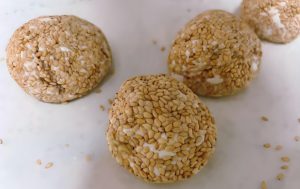
To determine whether sesame seed products are gluten-free, you can refer to the following aspects:
- Check Food Labels
Primeiro, carefully examine the product’s ingredient list and label. If the product explicitly lists any gluten-containing ingredients, it is not suitable for a gluten-free diet. Adicionalmente, be on the lookout for statements like “may contain” or “produced on shared equipment with wheat,” as these may indicate a risk of cross-contamination.
- Gluten-Free Certification Mark
Choose products that carry a “gluten-free” statement or certification mark. Many countries and regions have strict standards for gluten-free foods; por exemplo, the European Union stipulates that gluten-free foods must contain no more than 20 parts per million (ppm) of gluten. Some products may receive gluten-free certification, such as GFCO certification, indicating compliance with gluten-free standards.
- Testing Methods
If you still have concerns about a product’s safety, scientific testing methods can be employed. Common testing methods include Enzyme-Linked Immunosorbent Assay (ELISA), a reliable and precise method for detecting gluten levels in food.
- Avoid High-Risk Cross-Contamination Foods
Even if a product itself does not contain gluten, you should avoid using foods produced on the same lines or in environments as gluten-containing grains, as this could lead to cross-contamination.
Seguindo esses métodos, you can effectively identify sesame seed products that are gluten-free, garantindo um consumo seguro.
Are All Sesame Seed Products Processed in the Food Industry Gluten-Free?
Sesame seeds themselves do not contain gluten; therefore, they can be considered gluten-free unless contaminated. No entanto, processing in the food industry can lead to cross-contamination, which might affect the final product’s gluten content. Por exemplo, if a processing facility has a high risk of gluten cross-contamination, even gluten-free raw materials might result in a product marked as unsuitable for a gluten-free diet.
Portanto, consumers should carefully check product labels when selecting sesame seed products to ensure they meet gluten-free requirements.

Do Sesame Seed Paste and Sesame Seed Oil Contain Gluten?
Sesame seed paste and sesame seed oil made from sesame seeds typically do not contain gluten. Most sesame seed pastes are gluten-free, and there are gluten-free recipes for sesame seed paste that explicitly state they do not contain gluten ingredients. Similarly, sesame seed oil is considered a suitable condiment for a gluten-free diet.
No entanto, note that some sesame seed oil products may contain gluten if they come into contact with gluten-containing ingredients during production. Portanto, it’s best to check the product label to confirm if it is gluten-free when selecting sesame seed oil.
Geral, sesame seeds and their products (such as sesame seed paste and sesame seed oil) are inherently gluten-free, but it is essential to pay attention to specific ingredient and label information when purchasing.
Do Products Make with Sesame Seeds as Ingredients Contain Gluten?
Whether foods made with sesame seed products contain gluten depends on the specific ingredients and production processes involved. Sesame seeds themselves are gluten-free. No entanto, if sesame seed products come into contact with gluten-containing raw materials or equipment during production, cross-contamination may occur, leading to gluten in the final product.
Adicionalmente, some gluten-free certified products clearly include sesame seeds as an ingredient. These products are typically processed under strict conditions to avoid cross-contamination and comply with gluten-free standards. Portanto, if sesame seed products are processed in a gluten-free environment and do not come into contact with gluten sources, they can be part of a gluten-free diet.
Sesame seed products themselves do not contain gluten, but their use as gluten-free ingredients depends on ensuring they do not come into contact with gluten contamination sources during production.
Referência
- History of Chinese Food Culture. Publisher.
- Sesame. Publisher.
- Beijing Youth Daily. Publisher.
- Grain Brain. Publisher.
- Your Guide to Eating Well. Publisher.
- Safe Food Handling for Butchers. Publisher.
- Gluten-Free Foods. Publisher.