
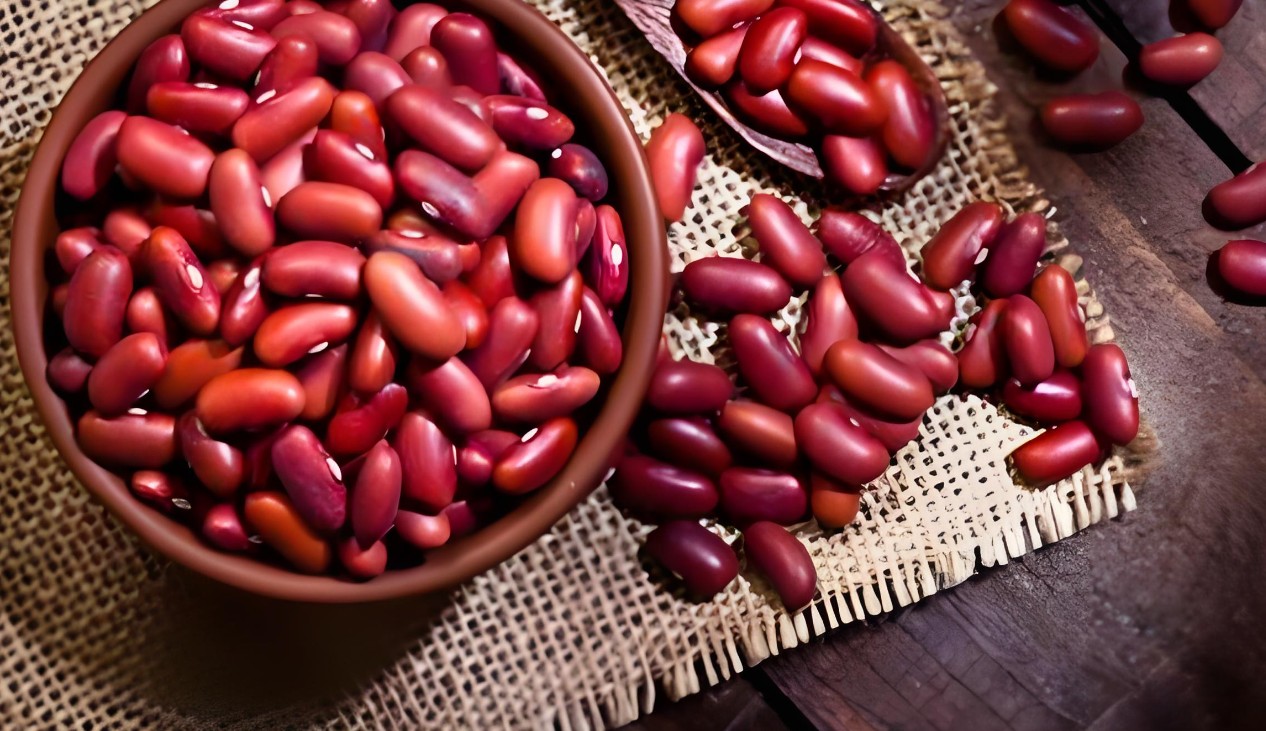
Market Demand Analysis

Demand Trends
- Global Market Growth: According to data from 2023, the global kidney bean market was approximately $7.9 billion, expected to reach $12.2 billion by 2032, with a compound annual growth rate (CAGR) of 4.5%. This indicates that the global kidney bean market will continue to grow over the next decade.
- Rapid Growth in the Chinese Market: The Chinese market has experienced rapid changes in recent years, with its market size accounting for a certain proportion of the global market in 2023, and is expected to increase significantly by 2030. This highlights China’s importance in the global kidney bean market.
- Price Fluctuations: Recently, the price of kidney beans has risen, for instance, in the Jiaxing region, where prices increased from 10 위안 15 yuan per pound. Such price fluctuations may affect market demand and consumer purchasing behavior.
Target Consumer Group Analysis
- Consumers of Different Income Levels: Preference surveys for white kidney beans indicate differences in demand among consumers of varying income levels.
- Consumers of Different Ages: The acceptance of white kidney bean products in the market varies among different age groups. Younger consumers may prefer convenient, ready-to-eat white kidney bean snacks that meet their demand for “convenient health.”
- Health-Conscious Consumers: White kidney beans, known for containing alpha-amylase inhibitors, are regarded as a “weight loss tool,” making them popular among health-conscious consumers. This group typically has higher requirements regarding the nutritional value and health benefits of foods.
- Brand Awareness: Consumer awareness of market brands is also an important factor influencing purchasing decisions. Some brands, such as Bearkoko, have performed exceptionally well in the white kidney bean snack market, demonstrating high competitiveness and recognition.
전반적인, the current market demand for kidney beans is steadily increasing, particularly in the Chinese market. Target consumer groups include individuals of varying income levels, different ages, and health-conscious consumers, all of whom show high acceptance of white kidney beans and related products.
Procurement Recommendations
에이. How to Choose Quality Kidney Beans
- Pod Fullness: High-quality kidney beans should have plump, juicy pods. If the pods break without fibrous strings, it indicates higher freshness.
- Color and Shine: Select kidney beans that are brightly colored, free of spots, and feel smooth overall. Vibrant, shiny kidney beans typically indicate better quality.
- Skin and Pest Damage: The skin of high-quality kidney beans should be smooth without signs of pest damage. If there are signs of insect damage, they should not be purchased.
- Aroma and Taste: Quality kidney beans should have a normal aroma and taste. If they have a sour or moldy smell, they are of poor quality and should not be purchased.
- 조직: When touched, quality kidney beans should feel full and soft; in contrast, shriveled, hollow beans with signs of pests should not be chosen.
By using these criteria, one can select high-quality kidney beans.
비. Supply Chain and Logistics Considerations
Supply chain management for kidney beans is crucial and involves multiple aspects such as procurement, transportation, and sales. To ensure efficient supply chain operations, consider adopting digital transformation and smart upgrade strategies, such as the use of blockchain technology, to enhance data security, privacy protection, and facilitate industry collaboration and compliance. 또한, establishing centralized warehouses can effectively improve supply chain efficiency and reduce overall costs.
For imported dried kidney beans, comprehensive supply chain services are needed, including overseas pickup, international logistics, customs clearance, bonded transit, and domestic logistics. These services help businesses better manage the logistics process for imported kidney beans, ensuring smooth delivery to the destination.
기음. Price Trends
Data from multiple sources indicates that kidney bean prices have been on the rise in recent years. 예를 들어, ~에 2024, the price of kidney beans was 3.11 yuan per pound, an increase compared to the previous day. 또한, the price of flower kidney beans on August 24, 2024, was 12.0 킬로그램 당 위안. 전반적인, kidney bean prices are significantly influenced by the upstream industry and have been gradually rising as upstream prices increase.
Prices of kidney beans vary by region and market. 예를 들어, in the Zibo area, the wholesale price of kidney beans was 3.50 yuan per pound, an increase of 1.20 yuan per pound compared to the same period last week, marking a rise of 52.17%. Such price fluctuations require purchasers to closely monitor market dynamics to adjust procurement strategies promptly.
디. Timing of Procurement
The planting and harvesting of kidney beans exhibit clear seasonal characteristics. 예를 들어, in some regions, large quantities of kidney bean pods are available in late July, allowing purchasers to buy in bulk to secure quality and price advantages. 그러므로, procuring during these seasonal peaks is a good choice.
By analyzing historical price data and market forecasts, one can better grasp the timing of procurement. 예를 들어, market analysis reports suggest that kidney bean prices may continue to rise in the coming years, so it is advisable to make large purchases when prices are relatively low to lock in costs.
Precautions
Here are some precautions regarding the consumption of kidney beans:
- Cook Thoroughly: Kidney beans contain natural toxins, such as lectins and saponins, which can cause poisoning reactions, including nausea, 구토, and abdominal pain if not cooked thoroughly. 그러므로, kidney beans must be fully cooked before consumption.
- Moderate Consumption: Overeating any food is not beneficial for health, and kidney beans should also be consumed in moderation. Excessive intake may cause digestive discomfort or gastrointestinal issues. It is recommended that adults consume 30-50 grams of legumes per day.
- Special Population Cautions: Pregnant women, breastfeeding mothers, and children should consume kidney beans under medical guidance. Those with poor digestive function or chronic gastrointestinal diseases should limit or avoid kidney beans. Individuals allergic to kidney beans should avoid consumption altogether.
- Avoid Raw Consumption: Kidney beans should not be eaten raw or undercooked, as this can lead to toxin residue, causing diarrhea and vomiting.
- Pairing Considerations: Combining kidney beans with certain foods may affect their nutritional value or cause discomfort. 예를 들어, kidney beans should not be consumed with coffee, as caffeine can destroy vitamin B1 found in kidney beans.
- Seasonal Considerations: The period around the frost is a high-risk time for kidney bean poisoning, as the beans at this time are thicker-skinned and larger, making them harder to cook and having relatively higher toxin levels. Extra caution is advised.
By adhering to these precautions, one can better enjoy the health benefits of kidney beans while avoiding potential health risks.
결론
Kidney beans are a nutrient-rich ingredient with numerous health benefits. 첫 번째, kidney beans are rich in protein, 식이섬유, 비타민, 그리고 미네랄, which contribute significantly to human health. 예를 들어, the dietary fiber in kidney beans helps regulate blood sugar, promotes intestinal health, and enhances satiety, which can aid in weight loss. 또한, the saponins in kidney beans can assist in reducing fat absorption and promoting fat metabolism, thereby aiding in weight loss.
Kidney beans also help regulate gut flora and promote intestinal health. Their resistant starch and alpha-galactosidase contribute to a prebiotic effect, promoting the proliferation of beneficial gut bacteria, which in turn produces healthy short-chain fatty acids. 게다가, the high potassium, high magnesium, and low sodium content of kidney beans help lower cholesterol levels in the blood, preventing cardiovascular diseases.
In terms of market prospects, multiple market research reports indicate a good development potential for the kidney bean industry in the coming years. 예를 들어, the “Analysis of the Development Status of the Chinese Kidney Bean Industry and Future Prospect Research Report (2024-2031)” points out that with the increasing health awareness among consumers and the growing demand for natural foods, the kidney bean market is expected to continue to grow. 뿐만 아니라, changes in the supply-demand relationship and shifts in consumption structure in both global and Chinese markets also indicate that the kidney bean industry will maintain stable growth in the coming years.
Purchasing kidney beans not only offers numerous health benefits, such as weight loss, fat reduction, and blood supplementation, but from a market perspective, 신장 콩, as a nutrient-rich ingredient, have broad development space and market potential in the future. 그러므로, from both health and economic viewpoints, purchasing kidney beans is a wise choice.
참조
Analysis of the Current Development Status and Future Prospects of the Chinese Bean Industry (2024-2031). (2024).