
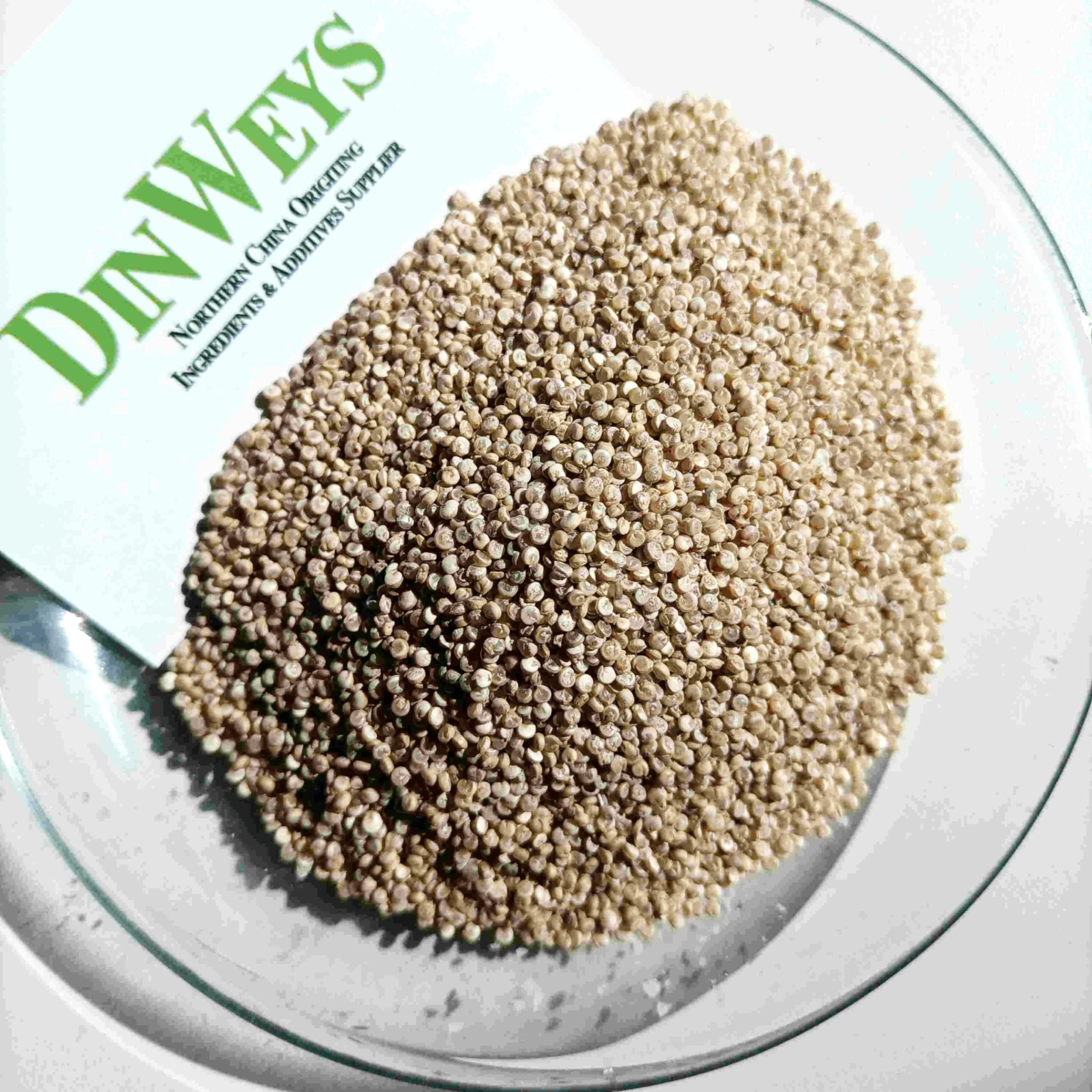
Quinoa has rapidly emerged as a “super grain” celebrated for its high protein, balanced nutrients, and versatile culinary use. For bulk buyers, understanding where quinoa comes from, its various strains, and the evolving Chinese market is essential to making cost-effective and strategic sourcing decisions. In this article, we provide a multi-dimensional analysis with data examples, hypothetical case studies, and detailed comparisons to help guide your “quinoa in bulk” procurement strategy.
1. Major Global Quinoa-Producing Regions
Traditional Production Hubs
Historically, quinoa is grown in the Andean regions of South America, with Bolivia, Perù, and Ecuador leading the charge. According to reports from international agricultural organizations, Sopra 70% of global quinoa production originates from these areas. For instance, a hypothetical FAO report might indicate that Bolivia produces around 40,000 tons per year, Peru approximately 30,000 tonnellate, with the remainder coming from smaller producers .
Emerging Production Zones
In addition to traditional producers, regions in North America, Europa, and Asia have started experimenting with quinoa cultivation. These emerging markets are driven by local demand and technological advances, gradually adding diversity and flexibility to the global quinoa supply chain.
2. Varieties of Quinoa by Region
South American Varieties
Bolivia: This country is renowned for its white, red, and black quinoa varieties. White quinoa is popular among bulk buyers due to its mild flavor and balanced nutritional profile, while red and black quinoa are valued for their unique taste and higher antioxidant content.
Perù: In Peru, besides the common varieties, certain local strains are cultivated to meet specific culinary and industrial needs. Hypothetically, while Bolivian white quinoa might have a protein content of 14%-15%, some Peruvian varieties can reach 15%-16% .
Other Regions
In countries like Ecuador or even in pilot projects in North America, new strains are emerging. Although these varieties may not yet rival the traditional South American strains in volume, they offer advantages in terms of drought resistance and adaptation to varied climates, opening up niche market opportunities.
3. The Rise of Quinoa Cultivation in China
Emerging Cultivation Areas
China’s interest in quinoa has grown rapidly as part of its agricultural diversification strategy. Regions such as Qinghai, Xinjiang, Mongolia interiore, and Yunnan are now home to emerging quinoa cultivation zones. Per esempio, a hypothetical report from a provincial agricultural bureau might reveal that in 2019, quinoa cultivation covered 1,000 hectares with an annual output of about 3,000 tons—figures projected to increase to 1,500 hectares and 5,000 tons by 2022.
Technological Adaptation and Local Improvement
Chinese agricultural experts have adopted and modified traditional South American quinoa strains to better suit local climates. Through research and selective breeding, China has developed varieties that are more resilient, ensuring consistent quality and higher yields, which is crucial for bulk procurement.
4. Why Purchase Bulk Quinoa from China?
Cost Competitiveness
Lower Prices: With advanced cultivation techniques and economies of scale, Chinese quinoa is often priced 10%-20% lower than its South American counterparts. This cost advantage can be significant for bulk buyers looking to optimize their procurement budgets.
Favorable Trade Policies: China’s established export channels and competitive currency exchange conditions further enhance its price competitiveness, offering a more stable cost structure for long-term contracts.
Supply Chain Stability
Scalability: As quinoa cultivation areas in China expand and mature, suppliers are able to meet large-volume orders with a high degree of consistency and reliability.
Quality Assurance: Many Chinese suppliers adhere to international quality standards and certifications, reducing risk for buyers who need dependable, high-quality bulk quinoa.
5. Convenience of Buying Quinoa from China
Efficient Logistics and Infrastructure
Advanced Transport Networks: China’s state-of-the-art logistics infrastructure—including major seaports, rail networks, and air transport—ensures that bulk orders can be delivered quickly to global markets.
Diverse Shipping Options: Buyers benefit from multiple shipping modes (sea, air, and land), enabling flexible solutions to meet varying delivery deadlines.
Digital Marketplaces and Supply Chain Services
Online Platforms: Leading e-commerce portals like Alibaba and Global Sources allow buyers to connect directly with verified quinoa suppliers. These platforms facilitate sample orders, transparent pricing, and streamlined negotiations.
Customization and Value-Added Services: Many Chinese suppliers offer tailored packaging, labeling, and quality control services, ensuring that your bulk quinoa meets specific market or regulatory requirements.
6. Analyzing Bulk Buyer Demands and Recommendations
Key Procurement Requirements
Bulk quinoa buyers typically prioritize:
Cost Control: Minimizing the per-ton price to maintain healthy profit margins.
Consistent Quality: Ensuring that each batch meets international food safety and nutritional standards.
Reliable Logistics: Fast and predictable delivery schedules to meet market demand.
Customizable Solutions: Flexibility in packaging, labeling, and shipment sizes to suit different market needs.
Why Chinese Suppliers Stand Out
Competitive Pricing: As noted, the cost advantage in China stems from both lower production costs and favorable export conditions, making bulk quinoa orders more economically attractive.
Stable and Scalable Supply: With rapidly expanding cultivation and advanced agricultural practices, Chinese suppliers are increasingly capable of fulfilling large orders reliably.
End-to-End Convenience: The integrated digital marketplaces, efficient logistics, and tailored customer services available in China provide a seamless procurement experience that addresses every need of bulk buyers.
Hypothetical Case Study: A European food processing company, after comparing prices and quality, chose a certified Chinese supplier for its “quinoa in bulk” needs. The partnership resulted in a 15% reduction in cost per ton compared to South American suppliers, along with a 20% faster delivery time—directly contributing to enhanced operational efficiency and market competitiveness.
Suggestion
In an increasingly competitive global quinoa market, bulk buyers must consider not just the price but also the reliability, qualità, and convenience of their supply chain. While traditional South American producers have long dominated the quinoa scene, China’s emerging quinoa market offers a compelling alternative through competitive pricing, stable supply, and modern logistics solutions.
For buyers seeking “quinoa in bulk,” sourcing from China can be a strategic move—providing cost savings, consistent quality, and a streamlined procurement process that meets the evolving demands of global food industries.