
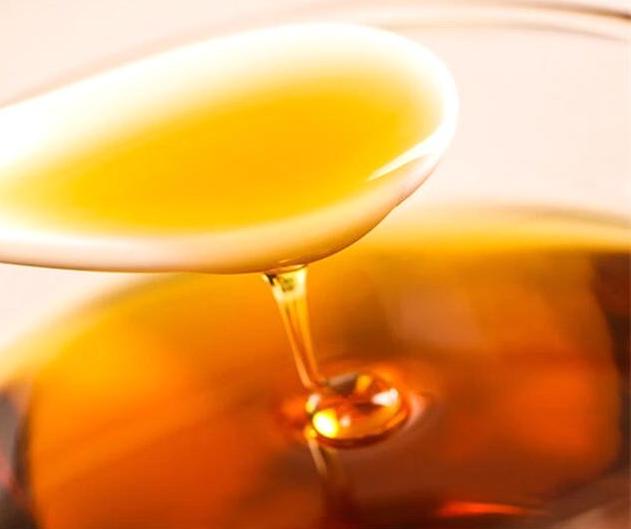
Sesame oil is celebrated for its distinctive aroma, rich nutritional profile, and versatile uses. Yet, one common question remains: Does sesame oil expire? In this blog, we dive deep into the factors that influence sesame oil’s shelf life, compare different sesame varieties, explore how and why sesame oil spoils, discuss potential health risks, and provide detailed storage guidelines—all backed by scientific data and real-world examples.
1. Types of Sesame and Their Differences
Sesame (Sesamum indicum L.) comes in several varieties, each with unique characteristics that affect oil quality and nutritional content. The main types include:
1.1 White Sesame
Origine: Commonly grown in parts of Asia (Cina, India, Middle East).
Aspetto: Light-colored seeds, typically off-white or pale yellow.
Oil Content: Approximately 45%–50%.
Nutrition: High in calcium, magnesio, and B vitamins; rich in protein.
Usi: Ideal for oil extraction, making sesame paste, and flavoring; produces a milder oil suitable for everyday cooking.
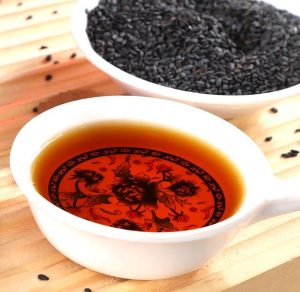
1.2 Black Sesame
Origine: Found in China, India, and Southeast Asia.
Aspetto: Dark, small seeds with concentrated oil.
Oil Content: Slightly lower than white sesame, around 40%–45%.
Nutrition: Contains high levels of polyphenols and vitamin E, offering strong antioxidant properties.
Usi: Often used in premium culinary applications and traditional medicine; yields an oil with a deeper, more intense flavor.
1.3 Red Sesame
Origine: Less common and mainly cultivated in specific regions or organic farms.
Aspetto: Displays a reddish hue that lies between white and black sesame.
Oil Content: Generally falls between that of white and black sesame.
Nutrition: Similar to white sesame, with a potential edge in antioxidant capacity.
Usi: Employed both for oil extraction and as a garnish to enhance color and flavor in dishes.
2. Characteristics of Sesame Oil from Different Varieties
The sesame variety used in oil extraction influences the final product’s flavor, aroma, and nutritional profile:
White Sesame Oil:
Color & Gusto: Lighter in color with a mild aroma.
Nutrition: Rich in unsaturated fatty acids, vitamin E, and essential minerals.
Utilizzo: Widely used in stir-frying, medicazioni insalate, and baking.
Olio di sesamo nero:
Color & Gusto: Darker hue with a robust, nutty, and slightly toasted flavor.
Nutrition: Contains higher levels of antioxidants and polyphenols.
Utilizzo: Perfect for high-end culinary dishes, drizzling over salads, or as a beauty supplement.
Roasted Sesame Oil:
Production Process: Made from toasted sesame seeds, enhancing the roasted, smoky notes.
Caratteristiche: Intense aroma and flavor, which can quickly elevate the taste of dishes.
Utilizzo: Commonly used in dipping sauces, dressings, and as a finishing oil in Asian cuisine.
3. How Does Sesame Oil Go Bad? The Spoilage Mechanisms
Sesame oil, like all edible oils, is subject to spoilage over time. Here are the primary factors:
3.1 Chemical Changes
Fatty Acid Oxidation:
Sesame oil is rich in unsaturated fatty acids (PER ESEMPIO., linoleic acid) that react with oxygen. This oxidation produces peroxides, aldehydes, and other compounds responsible for rancidity.Depletion of Natural Antioxidants:
Compounds like sesamol and sesamin in sesame oil act as natural antioxidants. Over time, exposure to air and light depletes these antioxidants, making the oil more vulnerable to oxidation.
3.2 Storage Conditions
Light Exposure:
Light, especially UV rays, can catalyze the oxidation process, causing the oil to develop off-flavors.Temperature:
High temperatures accelerate chemical reactions. Sesame oil stored at room temperature or higher will degrade faster than oil kept in a cool environment.Air Exposure:
Once opened, the increased contact with oxygen speeds up spoilage, particularly if the container is not properly sealed.
3.3 Environmental Factors
Humidity:
Moisture can indirectly affect oil quality by promoting microbial growth or affecting the container’s integrity.Container Material:
Transparent containers allow more light penetration, while metal containers may trigger chemical reactions if not properly lined.
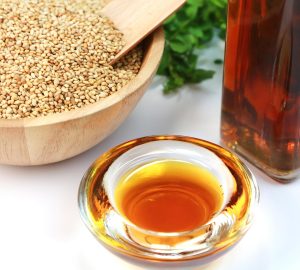
4. Why Does Sesame Oil Spoil? Types and Speed of Deterioration
4.1 Causes of Spoilage
Rancidity:
The primary form of spoilage is rancidity, where oxidation leads to the formation of free radicals and peroxides. This not only alters the flavor and aroma but also reduces nutritional value.Microbial Contamination:
In less ideal storage conditions (high humidity, poor hygiene), microbial contamination (molds or bacteria) can occur, leading to further deterioration.
4.2 Spoilage Conditions and Speed
Optimal Conditions:
Under ideal storage (Freddo, dark, tightly sealed), sesame oil can maintain its quality for 6 A 12 mesi.Suboptimal Conditions:
Exposure to heat, light, or oxygen can reduce the shelf life dramatically—often leading to noticeable rancidity within 3 A 6 mesi.
4.3 Health Implications
Oxidation Products:
Consuming oxidized lipids and aldehydes may lead to inflammation, increased oxidative stress, and potentially contribute to cardiovascular disease over time.Microbial Toxins:
If microbial contamination occurs, there is a risk of ingesting toxins that can lead to food poisoning or long-term health effects.
5. Storage Recommendations: UN “How To” Guide for Sesame Oil
Proper storage can extend the life of sesame oil and preserve its quality. Here are tailored recommendations based on the sesame oil type:
5.1 General Storage Tips (All Sesame Oils)
Keep It Cool:
Store sesame oil in a cool, dry place—preferably below 20°C (68°F). For long-term storage, refrigeration is ideal.Avoid Light:
Use dark-colored glass bottles or opaque containers to shield the oil from light.Seal Tightly:
Always close the bottle immediately after use to minimize air exposure.
5.2 For White Sesame Oil
Everyday Use:
Store in a pantry or kitchen cabinet away from the stove and other heat sources.Long-Term Storage:
If you do not use the oil frequently, consider refrigerating it and allowing it to return to room temperature before cooking to avoid cloudiness.
5.3 For Black Sesame Oil and Roasted Sesame Oil
Enhanced Protection:
Because these oils have a more intense flavor and are often used as finishing oils, ensure they are stored in a cool, luogo oscuro.After Opening:
Use within 3 months for the best flavor. For commercial or high-end applications, consider dividing into smaller, air-tight bottles.
5.4 Hypothetical Scenarios
Home Kitchen Example:
Sarah buys a premium roasted sesame oil. After opening, she transfers half of the oil into a small, dark glass bottle, stores it in the refrigerator, and uses it for salad dressings and drizzling over dishes. This method ensures the oil retains its flavor for up to 6 mesi.Restaurant Scenario:
A restaurant uses black sesame oil as a key ingredient in signature dishes. To maintain quality, the chef pre-portions the oil into single-use bottles each day, minimizing air exposure and preserving the oil’s potent aroma and nutritional value.
6. Summary
Sesame oil does indeed expire, but its shelf life can be significantly extended with proper handling and storage. By understanding the differences among sesame varieties, the mechanisms behind oil spoilage, and the potential health risks associated with consuming rancid oil, consumers can make informed choices. Whether you’re using white sesame oil for everyday cooking or a robust black or roasted sesame oil for gourmet recipes, following the storage tips provided will help maintain its flavor, nutritional integrity, and overall quality.
Citations
Journal of Food Science: Comparative analysis of sesame varieties and oil content.
Food Chemistry: Studies on fatty acid oxidation in edible oils.
FDA Nutritional Guidelines: Information on oxidized lipids and health risks.