Avantages des coques de graines de lin: Nutrition, Applications, et informations sur le marché - Expert en production de pommes de terre dans le nord de la Chine
Coques de graines de lin, the fibrous outer shell of flaxseeds, are gaining popularity across various industries due to their high nutritional value, propriétés fonctionnelles, and cost-effectiveness. From food processing and dietary supplements to animal feed and industrial applications, flaxseed hulls are proving to be a versatile ingredient with numerous benefits. Here, we will explore what flaxseed hulls are, their applications, their key advantages, the challenges in the production, and their comparison to whole flaxseeds and flaxseed meal.
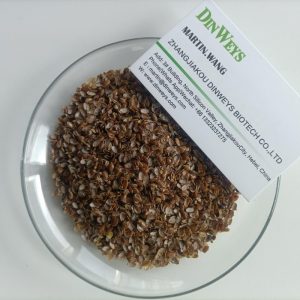
1. What Are Flaxseed Hulls?
Flaxseed hulls are the outer layer of flaxseeds (Linum usitatissimum), separated during dehulling. While traditionally considered a byproduct, these hulls are now recognized as a rich source of dietary fiber, lignanes, and antioxidants.
Key Nutrients in Flaxseed Hulls
- Lignanes: Flaxseed hulls contain up to 800 times more lignans than most other plant foods (Cunnane et al., 1995). Lignans are powerful antioxidants et phytoestrogens, which can support hormonal balance et cardiovascular health.
- Fibres alimentaires: Over 50-60% of flaxseed hulls are insoluble fiber, making them excellent for gut health and digestion (Oomah et al., 1996).
- Protéine & Minéraux: While lower in protein than whole flaxseeds, flaxseed hulls still contain small amounts of acides aminés essentiels, calcium, et du magnésium.
2. Key Applications of Flaxseed Hulls
Flaxseed hulls are no longer just a byproduct—they are now widely used in nourriture, feed, and nutraceutical industries.
UN. Food Processing & Baking
Flaxseed hulls add texture, fibre, et valeur nutritionnelle to various foods:
- High-Fiber Bread & Bakery Products: Adding 5-10% flaxseed hulls to bread increases fiber content while maintaining a soft texture (Ganorkar & Jain, 2013).
- Gluten-Free Flour Blends: Flaxseed hull powder can replace wheat bran for gluten-free diets.
- Health Snacks: Added to granola bars and protein shakes for extra lignans and fiber.
B. Nutraceutical & Functional Foods
- Lignan Supplements: Capsules or powders rich in phytoestrogens, marketed for hormonal health et anti-aging properties.
- Gestion du poids: High fiber content helps with appetite control et gut microbiome balance.
C. Animal Feed Industry
- Cattle & Dairy Feed: Flaxseed hulls improve rumen function and milk quality (Mustafa et al., 2002).
- Poultry: Enhances egg yolk omega-3 content in laying hens.
- Pet Food: Used in fiber-rich dog treats to promote digestive health.
D. Industrial & Cosmetic Uses
- Natural Binders & Fillers: Used in bio-based packaging materials.
- Skincare: Lignan extracts in anti-aging creams and serums.
3. Key Benefits of Flaxseed Hulls vs. Alternatives
While there are several fiber and lignan-rich alternatives (such as oat fiber, rice bran, and psyllium husk), flaxseed hulls have unique advantages.
UN. Nutritional Benefits
| Fonctionnalité | Coques de graines de lin | Oat Fiber | Psyllium Husk | Rice Bran |
|---|---|---|---|---|
| Lignan Content | Very High (800x other foods) | Faible | Aucun | Aucun |
| Fiber Content | ~55-60% | ~10-15% | ~85% | ~20% |
| Protéine | Modéré | Faible | Aucun | Modéré |
| Omega-3s | Small amount | Aucun | Aucun | Aucun |
Why choose flaxseed hulls? → Highest lignan content + rich fiber + affordable.
B. Processing & Cost Advantages
- Compared to whole flaxseeds, hulls are easier to extract lignans from and have a longer shelf life.
- Compared to psyllium husk, flaxseed hulls are more affordable and have no gel-forming issues.
- Compared to rice bran, flaxseed hulls are less prone to rancidity due to lower oil content.
4. Challenges in Producing Flaxseed Hulls
Despite their benefits, flaxseed hulls face some production challenges:
- Dehulling Efficiency: Separating hulls from seeds without damaging nutrients is difficult.
- Lignan Extraction: The extraction process requires careful temperature control.
- Market Awareness: Many consumers still don’t recognize flaxseed hulls as a functional ingredient.
5. Which Type of Flaxseed Hull is Better: Brown or Golden?
| Fonctionnalité | Brown Flaxseed Hulls | Golden Flaxseed Hulls |
|---|---|---|
| Lignan Content | Haut | Slightly Higher |
| Goût | Terreux | Milder, Noisette |
| Processing Suitability | All uses | Best for baking |
Golden flaxseed hulls are preferred for baking and functional foods, alors que brown flaxseed hulls are widely used in supplements and animal feed.
6. Do Flaxseeds and Flaxseed Hulls Have the Same Function?
Not exactly. Whole flaxseeds contain:
- More Omega-3 Fatty Acids: The seed interior has more healthy fats.
- Higher Protein Content: Used in protein-enriched products.
- Lower Lignan Concentration: Most lignans are in the hull.
Best Uses for Each Part
- Coques de graines de lin → Lignan supplements, fiber-rich foods, and gut health products.
- Flaxseed Meal → Smoothies, pâtisserie, omega-3 enrichment.
- Whole Flaxseeds → Cold-pressed oil, roasted snacks.
Pensées finales: Why Consider Flaxseed Hulls?
Flaxseed hulls are an underutilized powerhouse in the food and feed industries. Compared to other fibers and lignan-rich alternatives, they offer a unique blend of nutrition, fonctionnalité, and cost-effectiveness.
✅ Best for high-lignan and fiber products
✅ More affordable than psyllium husk
✅ Sustainable byproduct with industrial potential
Avec rising consumer demand for high-fiber and plant-based ingredients, flaxseed hulls will continue to gain traction. Now is the time for food manufacturers and health-conscious consumers to explore the untapped potential of this incredible ingredient.
Would you consider using flaxseed hulls in your product line or diet? Contact me!
FAQs About Flaxseed Hulls
1. What are flaxseed hulls made of?
Flaxseed hulls are the outer shell of flaxseeds, primarily composed of fibres alimentaires, lignanes, and small amounts of protein and minerals. They contain significantly more lignanes than whole flaxseeds, making them a great source of antioxidants.
2. How are flaxseed hulls different from whole flaxseeds?
Whole flaxseeds contain more omega-3 fatty acids and protein, while flaxseed hulls are richer in fiber and lignans. The hulls are typically used for fiber supplements, functional foods, and animal feed, whereas whole flaxseeds are often used for oil extraction, pâtisserie, et consommation directe.
3. What are the health benefits of flaxseed hulls?
Flaxseed hulls provide several benefits, y compris:
- Improved digestion due to high fiber content.
- Hormonal balance from lignans, which act as natural phytoestrogens.
- Antioxidant support, helping reduce oxidative stress.
- Heart health, as fiber helps lower cholesterol levels.
4. Can flaxseed hulls be used in baking?
Oui! Flaxseed hulls are often added to pain, muffins, and cookies to increase fiber content and enhance texture. They work well in gluten-free baking as a fiber supplement and egg replacement (when mixed with water).
5. Are flaxseed hulls suitable for animal feed?
Absolutely. Flaxseed hulls are used in cattle, poultry, and pet food for their digestive health benefits. Studies show they can improve milk quality in dairy cows et enhance egg nutrition in laying hens.
6. What’s the difference between brown and golden flaxseed hulls?
Both varieties provide similar benefits, but:
- Golden flaxseed hulls have a milder, nuttier taste, making them preferred for baking.
- Brown flaxseed hulls have a stronger flavor and are more commonly used in supplements and industrial applications.