

Hoy, Let’s focus on the recently popular “superfood” flaxseeds and address the most common concerns people have, que es “¿La linaza no contiene gluten??” and more things you should know.
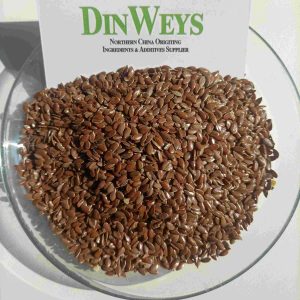
1. The Truth About Flaxseeds and Gluten
According to the FDA’s gluten-free food standards (<20ppm), flaxseeds are naturally gluten-free seeds [1]. This is due to their botanical properties—flax belongs to the flax family, while gluten proteins are only found in the endosperm of grasses such as wheat, barley, and rye. Just like a coconut tree doesn’t bear apples, flaxseeds and gluten are from entirely different “families.”
2. Gluten Hiding Spots
Pay special attention to these “major gluten sources” in your diet:
• Obvious sources: Traditional pasta (one bowl of noodles contains about 10g of gluten), beer (each bottle contains 3-5g of barley gluten), instant oatmeal
• Hidden sources: Soy sauce (15ml contains 0.5g of wheat protein), condimentos, and binders in processed foods like meatballs
3. The Science Behind Gluten Warnings
Globalmente, 1% of the population suffers from celiac disease [2], and consuming 50mg of gluten (about 1/100th of a slice of bread) can cause intestinal damage. I’ve seen cases where fitness enthusiasts experienced persistent diarrhea for six months, only to be diagnosed with gluten sensitivity. Even in healthy individuals, excessive gluten intake can lead to bloating, fatiga, and other “brain fog” symptoms.
4. Flaxseed Consumption Guide
While flaxseeds are safe, there are some points to keep in mind:
Choose GFCO-certified products (the world’s strictest gluten-free certification) to avoid cross-contamination during processing. Por ejemplo, a certain oatmeal brand once had flaxseed products testing positive for gluten due to mixing on the production line.
Grind fresh for best results: Whole flaxseeds are only 35% digestible, but when ground, they can reach 95% digestibility [3]. I like to grind them fresh and sprinkle them on Greek yogurt at breakfast.
Control the dosage: Health Canada recommends no more than 45g per day [4], as excessive consumption can cause bloating. If you’re new to flaxseeds, start with 5g and monitor how your body responds.
Seal and store away from light: Flaxseeds are rich in Omega-3 (22.8g per 100g), so once opened, store them in the fridge and use them within a month to prevent oxidation and rancidity.
Since I started using ground flaxseeds instead of breadcrumbs for my chicken breast coating, not only have I solved the gluten issue, but my Omega-3 intake has also tripled. Sin embargo, remember that even the best foods need to be paired scientifically. A healthy diet is always about variety and moderation.
Referencias:
[1] FDA Gluten-Free Labeling Final Rule
[2] Celiac Disease Foundation 2020
[3] Canadian Nutrition Society 2018 Research Report
[4] Health Canada Flaxseed Guidelines