Does Sesame Seed Oil Go Bad? How to Store It ? 7 Tips
Yes, sesame seed oil can spoil. It is susceptible to temperature, light, and oxygen, which can lead to oxidation and rancidity. The process of spoilage is gradual and may not be noticeable initially, but the quality will decline over time. Rancid sesame seed oil may develop a strong, unpleasant odor due to the breakdown of fats. Additionally, it can become cloudy, develop sediment, or emit off-odors, such as sour or rotten smells.
To prevent spoilage, it is advisable to store sesame seed oil properly: keep it away from light, store it in a cool place, seal it tightly, and use it within a short period.
How Long Can Sesame Seed Oil Be Stored?
The shelf life of sesame seed oil is generally about 18 months. However, if stored at room temperature, it’s recommended to use it within 12 months due to its susceptibility to oxidation. If refrigerated, sesame seed oil can last over two years. Even under refrigeration, it’s best to use it within the shelf life to avoid unpleasant odors or toxic substances due to oxidation. To ensure safety and quality, it’s advisable to consume sesame seed oil promptly within its shelf life.
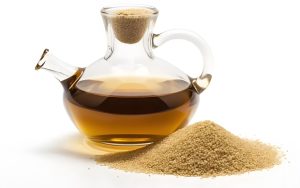
How to Properly Store Sesame Seed Oil?
Proper storage methods for sesame seed oil include:
- Avoid light: Unsaturated fatty acids in sesame seed oil can oxidize under light, reducing quality. Store it in a cool, dark place away from direct sunlight.
- Store in a cool environment: High temperatures can deplete the oil’s natural antioxidants and increase spoilage risk. Storing in a refrigerator is recommended to extend shelf life.
- Use a sealed container: A well-sealed container can prevent air exposure and reduce oxidation. Glass bottles are a good option as rubber stoppers can impart off-flavors.
- Keep dry: Maintain a dry storage environment to avoid moisture entering the oil, which accelerates oxidation.
- Prefer small packages: Buying smaller quantities can help ensure the oil is used quickly, minimizing oxidation chances.
- Avoid heat sources: Keep it away from stoves and heaters to prevent accelerated oxidation from high temperatures.
- Refrigerate (optional): While not necessary, some choose to refrigerate sesame seed oil to extend its shelf life. Note that refrigeration may cause the oil to crystallize, affecting texture.
By following these methods, you can effectively extend the shelf life of sesame seed oil while maintaining its best flavor and nutritional value.
Does White Sesame Seed Oil Last Longer Than Black Sesame Seed Oil?
White and black sesame seed oils have similar shelf lives at room temperature, typically around one year. If refrigerated, their shelf life can extend to two years. Therefore, both types can last significantly longer with proper storage. Additionally, the antioxidant properties of sesamin suggest that sesame seed oil is less prone to oxidation at room temperature, which may explain why commercial sesame seed oils rarely display expiration dates.
How to Tell if Your Sesame Seed Oil Has Gone Bad?

To determine if sesame seed oil has spoiled, consider the following:
- Smell: Fresh sesame seed oil should have a distinct aroma. If you detect sour, moldy, or unusual smells (like spicy or rancid odors), the oil may be spoiled and should not be consumed.
- Color: Fresh sesame seed oil is typically pale yellow or golden and clear. If the color becomes cloudy, dark red, or deep amber, or if sediment appears, it is likely spoiled.
- Clarity: Tilt the bottle to check if the oil is clear. Cloudiness or suspended particles indicate spoilage.
- Storage conditions: Sesame seed oil should be used quickly after opening, ideally within 1-2 months. Avoid exposing it to high temperatures or bright light, as these conditions accelerate oxidation, leading to spoilage.
Using these methods, you can accurately determine whether sesame seed oil has gone bad, ensuring safe consumption.
What Does Spoiled Sesame Seed Oil Look Like?
Spoiled sesame seed oil typically exhibits the following characteristics:
- Color change: Fresh sesame seed oil is golden yellow. If it becomes darker or cloudy, it may be spoiled.
- Odor change: Fresh sesame seed oil has a strong sesame aroma. If it develops off-odors like sourness, rancidity, or a peculiar irritating smell (like a “rancid” odor), it indicates oxidation and the formation of harmful substances, making it unsafe to consume.
- Taste change: Fresh sesame seed oil has a smooth texture. If it tastes sour, bitter, or burnt, these are signs of spoilage.
- Appearance change: Quality sesame seed oil should be clear and transparent, without sediment or floating particles. Cloudiness or sediment indicates spoilage.
To assess whether sesame seed oil has spoiled, consider its color, odor, taste, and appearance. If any of these changes are observed, it’s best not to consume it to avoid potential health risks.
Can You Eat Sesame Seed Oil After It Has Gone Bad?

It is not advisable to consume spoiled sesame seed oil. Spoilage leads to the production of harmful substances like peroxides and free radicals, which can pose health risks, potentially leading to cardiovascular diseases, Alzheimer’s, Parkinson’s, and other health issues. Eating spoiled oil may cause gastrointestinal discomfort, nausea, vomiting, severe abdominal pain, and, in serious cases, dehydration and liver damage.
Furthermore, sesame seed oil has a shelf life of about 18 months, and it should not exceed 12 months at room temperature. Even when refrigerated, it is not recommended to keep it for more than two years. If sesame seed oil develops off-odors (like a rancid smell), it indicates spoilage, and it should not be consumed. Therefore, for health safety, avoid eating expired or spoiled sesame seed oil.
Which Oil is More Prone to Spoilage?
- Peanut oil: It contains a high amount of unsaturated fatty acids, which are prone to breaking down at high temperatures. Peanut oil has a high peroxide value, meaning it oxidizes quickly, leading to rancidity. During storage, its acidity and peroxide values can significantly increase, raising the risk of spoilage.
- Olive oil: With lower levels of polyunsaturated fatty acids, olive oil has better oxidative stability and is less prone to spoilage. However, high temperatures or improper storage can still accelerate spoilage.
- Butter: As a high-fat dairy product, butter can soften and spoil quickly at room temperature, typically within 2-3 days. Refrigeration can extend its shelf life, but freezing is more effective.
- Canola oil: With 32% polyunsaturated fatty acids, canola oil is less likely to have a high peroxide value but can still oxidize and spoil. It’s recommended to use it within 3-6 months after opening, as exposure to air accelerates oxidation.
Overall, peanut oil is more prone to oxidation and spoilage due to its high content of unsaturated fatty acids compared to other oils.
Reference
Research on the Antioxidant Effects of Several Natural Antioxidants on Sesame Seed Oil. (n.d.). Journal Title.
Guide to Selecting, Consuming, and Storing Sesame Seed Oil. (n.d.). Journal Title.
How to Eat Safely: Food Safety Consumption Tips. (n.d.). Journal Title.
Knowledge and Precautions for Selecting Vegetable Oils. (n.d.). National Food and Material Reserve Bureau.
Chemmuniqué. (n.d.). Publisher/Organization.
Healthy Crispy Food. (n.d.). Publisher/Organization.