Do Sunflower Seeds Go Bad? An In-Depth Guide on Spoilage Types, Causes, and Safe Storage
You might wonder: “Do sunflower seeds go bad?” The answer is yes—they do. But the process is not as simple as it sounds. In this blog, you’ll discover the various types of spoilage, the environmental causes behind them, how key nutritional components change over time, the risks associated with different spoilage levels, and, most importantly, how you can properly store your sunflower seeds to retain their quality and safety.
1. Types of Spoilage and Their Sensory Signs
Sunflower seeds can spoil in several ways. Understanding these types will help you identify when your seeds are no longer safe or enjoyable to eat:
Rancidity (Oil Oxidation)
- Appearance Change: Seeds may darken slightly.
- Sensory Change: A bitter, “off” taste accompanied by a rancid odor.
- Example: If your seeds smell like stale oil or have an odd taste after sitting on your kitchen shelf, they are likely oxidized.
Mold Growth
- Appearance Change: Fuzzy, discolored patches (white, green, or gray) may appear.
- Sensory Change: A musty or moldy smell that is unmistakable.
- Example: If you see specks of mold or detect a damp, earthy odor, it’s a clear sign of fungal contamination.
Moisture Absorption
- Appearance Change: Seeds may clump together or develop a shiny, wet appearance.
- Sensory Change: They may feel sticky or lose their typical crunchy texture.
- Example: In a humid environment, sunflower seeds clumping in a bag indicate excess moisture absorption.
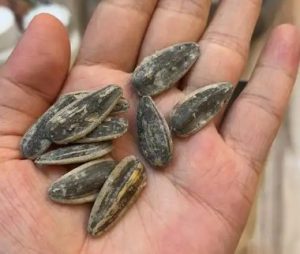
2. Environmental Causes of Spoilage
Several environmental factors contribute to the spoilage of sunflower seeds:
Temperature
- Effect: High temperatures accelerate oxidation and promote microbial growth.
- Example: Storing seeds in a warm kitchen (above 25°C) speeds up rancidity.
Moisture/Humidity
- Effect: Excess moisture fosters mold growth and bacterial activity.
- Example: A damp pantry or high-humidity climate increases spoilage risk.
Light Exposure
- Effect: Prolonged exposure to sunlight, especially UV rays, degrades fats and vitamins, leading to faster spoilage.
- Example: Leaving your seeds on a windowsill compromises their quality.
Oxygen Exposure
- Effect: Oxygen promotes the oxidation of the unsaturated fats found in sunflower seeds.
- Example: An unsealed bag left open on the counter oxidizes faster than one stored in an airtight container.
3. Nutritional Components and Their Susceptibility to Spoilage
Sunflower seeds are a nutritional powerhouse, rich in:
Polyunsaturated Fatty Acids
- Susceptibility: These fats are particularly vulnerable to oxidation.
- By-products of Spoilage: Peroxides, aldehydes, and ketones, which contribute to a bitter taste and potential toxicity.
Vitamin E
- Susceptibility: Although an antioxidant, vitamin E itself degrades when exposed to air and light, reducing its protective effects.
Proteins and Minerals
- Stability: Generally stable but may change in humid environments due to microbial activity.
4. Spoilage Levels and the Associated Harmful Substances
The degree of spoilage determines the concentration of harmful substances formed:
Mild Spoilage
- Characteristics: Slight rancidity with minimal oxidation by-products.
- Risk: Low levels of aldehydes might cause minor irritation but are generally not a major concern.
Moderate Spoilage
- Characteristics: Noticeable rancidity with increased lipid peroxides and aldehydes.
- Risk: Moderate consumption may contribute to oxidative stress in your body.
Severe Spoilage
- Characteristics: Significant rancidity, often with visible mold growth.
- Risk: High levels of lipid peroxides and mycotoxins (e.g., aflatoxins) can be dangerous, leading to liver damage and carcinogenic effects.
5. Proper Storage Methods for Sunflower Seeds
To maximize shelf life and maintain nutritional benefits, follow these storage tips:
Use Airtight Containers
- Prevents oxygen from accelerating oxidation.
Keep Cool
- Ideal Storage Temperature: Below 10°C (e.g., refrigerator or cool pantry).
Control Moisture
- Ensure a dry storage area; consider using desiccant packs if necessary.
Avoid Direct Sunlight
- Store seeds in an opaque container or a dark, closed cabinet.
Vacuum Sealing
- Best for bulk storage; significantly reduces air exposure.
Hypothetical Case: If you leave a 1-kg bag of sunflower seeds open on your kitchen counter in a warm (30°C) and humid environment, signs of rancidity or mold may appear within weeks. Conversely, transferring the seeds into a vacuum-sealed, opaque container and storing them at 5°C can extend their shelf life for 6–12 months.
6. Final Recommendations and Guidance
Yes, sunflower seeds do go bad. But by understanding the types of spoilage and environmental factors that accelerate degradation, you can take proactive steps to protect them:
- Inspect Regularly: Check for mold, discoloration, texture changes, or off smells.
- Store Properly: Use airtight, opaque containers in a cool, dry place or refrigerate them.
- Avoid Risky Consumption: If you detect spoilage, discard the seeds to prevent health risks.
By following these tips and understanding the science behind sunflower seed spoilage, you protect your health and ensure the best nutritional value from your seeds. Stay informed, and always choose the right storage methods to keep your snacks safe and delicious!
Data Sources: Food Chemistry Journal, Journal of Agricultural and Food Chemistry, USDA and FDA food safety guidelines.