
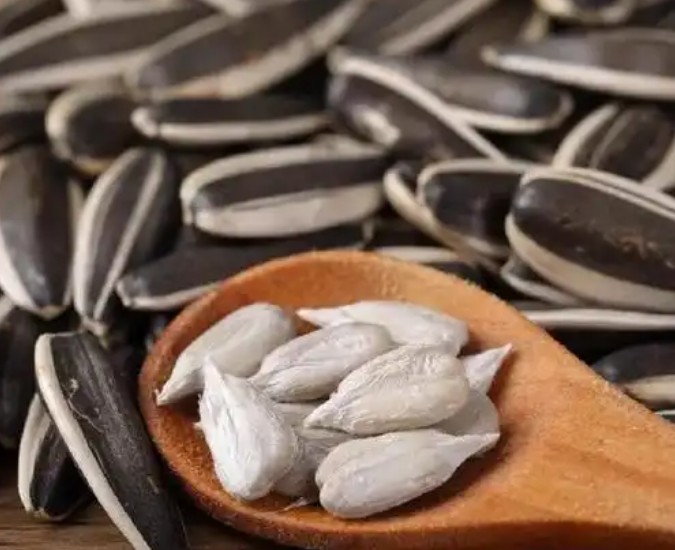
“Verursachen Sonnenblumenkerne Durchfall??” Die kurze Antwort lautet: Ja, sie können, aber nicht immer. Verschiedene Faktoren, einschließlich der Menge, die Sie essen, Ihre Verdauungsempfindlichkeit, und sogar die Art und Weise, wie die Samen verarbeitet werden, kann zu Verdauungsbeschwerden führen. In diesem Blog, Sie erfahren mehr über die möglichen Ursachen von Durchfall durch Sonnenblumenkerne, the nutritional components that may trigger digestive issues, common scenarios where this might happen, and how to enjoy sunflower seeds without upsetting your stomach.
1. How Sunflower Seeds Can Cause Diarrhea
While sunflower seeds are a nutritious snack, they can lead to diarrhea under certain conditions. Here are the most common reasons:
High Fiber Content
- Wirkung: Sunflower seeds are high in dietary fiber, which helps regulate digestion. Jedoch, consuming too much fiber in one sitting can lead to bloating, cramping, and diarrhea.
- Beispiel: A single ounce (um 28 Gramm) of sunflower seeds contains 2.4 grams of fiber. If you eat multiple servings in one go, your body may struggle to digest the excess fiber, leading to loose stools.
High Fat Content
- Wirkung: Sunflower seeds contain a significant amount of healthy fats, but excessive fat intake can trigger digestive distress. Your body processes fat more slowly than carbohydrates, and too much fat can lead to loose stools or even greasy-looking diarrhea.
- Beispiel: A 100-gram serving of sunflower seeds has around 50 grams of fat, which is a large amount for people with sensitive stomachs.
Artificial Flavoring and Additives
- Wirkung: Some commercially available sunflower seeds are seasoned with artificial flavorings, excess salt, or preservatives, which can irritate the digestive system.
- Beispiel: Flavored sunflower seeds, especially spicy or heavily salted varieties, can trigger stomach irritation and diarrhea in people with sensitive guts.
FODMAP Sensitivity and Digestive Issues
- Wirkung: While sunflower seeds are not classified as high-FODMAP foods, some individuals with IBS (Irritable Bowel Syndrome) oder sensitive digestion may experience bloating or diarrhea after eating them.
- Beispiel: If you have a history of food sensitivities, even a moderate amount of sunflower seeds could lead to digestive discomfort.
2. Key Nutritional Components That May Trigger Digestive Issues
Understanding what’s in sunflower seeds can help you pinpoint the potential cause of your diarrhea:
| Component | Effect on Digestion |
|---|---|
| Faser (2.4g per ounce) | It can promote healthy digestion but may cause loose stools if consumed excessively. |
| Fett (50g per 100g) | Too much fat can overwhelm digestion and lead to greasy stools or diarrhea. |
| Magnesium (325mg pro 100g) | Acts as a natural laxative when consumed in high amounts. |
| Salt & Additives | Excess salt can cause dehydration and digestive irritation. |
3. Common Scenarios Leading to Diarrhea from Sunflower Seeds
To help you avoid digestive discomfort, here are some real-life scenarios where sunflower seeds may trigger diarrhea:
Szenario 1: Eating too many sunflower seeds at once
- Beispiel: You grab a large bag of sunflower seeds while watching TV and end up eating two to three servings in one sitting. The high fiber and fat intake may overwhelm your digestive system, causing loose stools.
- Solution: Stick to one serving (um 28 grams or 1 ounce) at a time and drink plenty of water.
Szenario 2: Eating flavored sunflower seeds
- Beispiel: You love spicy or BBQ-flavored sunflower seeds, but the added seasonings contain artificial flavors, Salz, or chili powder, which can irritate your stomach.
- Solution: Choose plain, unsalted sunflower seeds or lightly roasted versions to minimize digestive distress.
Szenario 3: Pre-existing digestive conditions
- Beispiel: You have IBS, lactose intolerance, or a sensitive stomach, and after eating sunflower seeds, you experience bloating and diarrhea.
- Solution: Try eating smaller portions and monitoring how your body reacts. Consider soaking or sprouting the seeds to improve digestibility.
Szenario 4: Low hydration levels
- Beispiel: You eat a fiber-rich meal with sunflower seeds but don’t drink enough water, leading to digestive discomfort.
- Solution: Drink plenty of fluids when consuming high-fiber foods to aid digestion.
4. How to Eat Sunflower Seeds Without Digestive Issues
If you love sunflower seeds but want to avoid diarrhea, follow these guidelines:
✅ Eat in Moderation – Stick to 1 ounce (about ¼ cup) per serving to prevent overloading your digestive system.
✅ Choose Plain or Lightly Salted Varieties – Avoid excessive artificial flavorings that may irritate the stomach.
✅ Stay Hydrated – Drink at least 8 glasses of water daily to help fiber move smoothly through your gut.
✅ Soak or Sprout Seeds – This can help break down phytic acid, making digestion easier.
✅ Pay Attention to Your Body – If you have IBS or food sensitivities, test small portions and observe how your body reacts.
5. What to Do If Sunflower Seeds Give You Diarrhea?
If you’ve already consumed too many sunflower seeds and are experiencing digestive discomfort, here’s what you can do:
- Hydrate: Drink plenty of water or electrolyte solutions to replenish lost fluids.
- Eat Low-Fiber Foods: Stick to bland foods like white rice, toast, or bananas to help calm your stomach.
- Take a Break: Avoid eating more sunflower seeds until your digestive system stabilizes.
- Use Probiotics: If diarrhea persists, probiotics (like yogurt or supplements) can help restore gut balance.
- Monitor Symptoms: If symptoms last for more than 24 hours or are severe, consult a doctor.
6. Final Takeaway: Should You Be Concerned?
Sunflower seeds are not inherently harmful, but consuming them in excess or in processed forms can lead to digestive discomfort, including diarrhea. If you experience issues, try adjusting your portion sizes, choosing plainer varieties, and staying hydrated.
By understanding the nutritional components and how they affect digestion, you can enjoy sunflower seeds without any unwanted side effects. Just remember—moderation is key!
Sources & Referenzen
- USDA Food Database (Nutritional values)
- Journal of Gastrointestinal Health (Effects of fiber and fat on digestion)
- Mayo-Klinik (Causes of diarrhea from dietary intake)